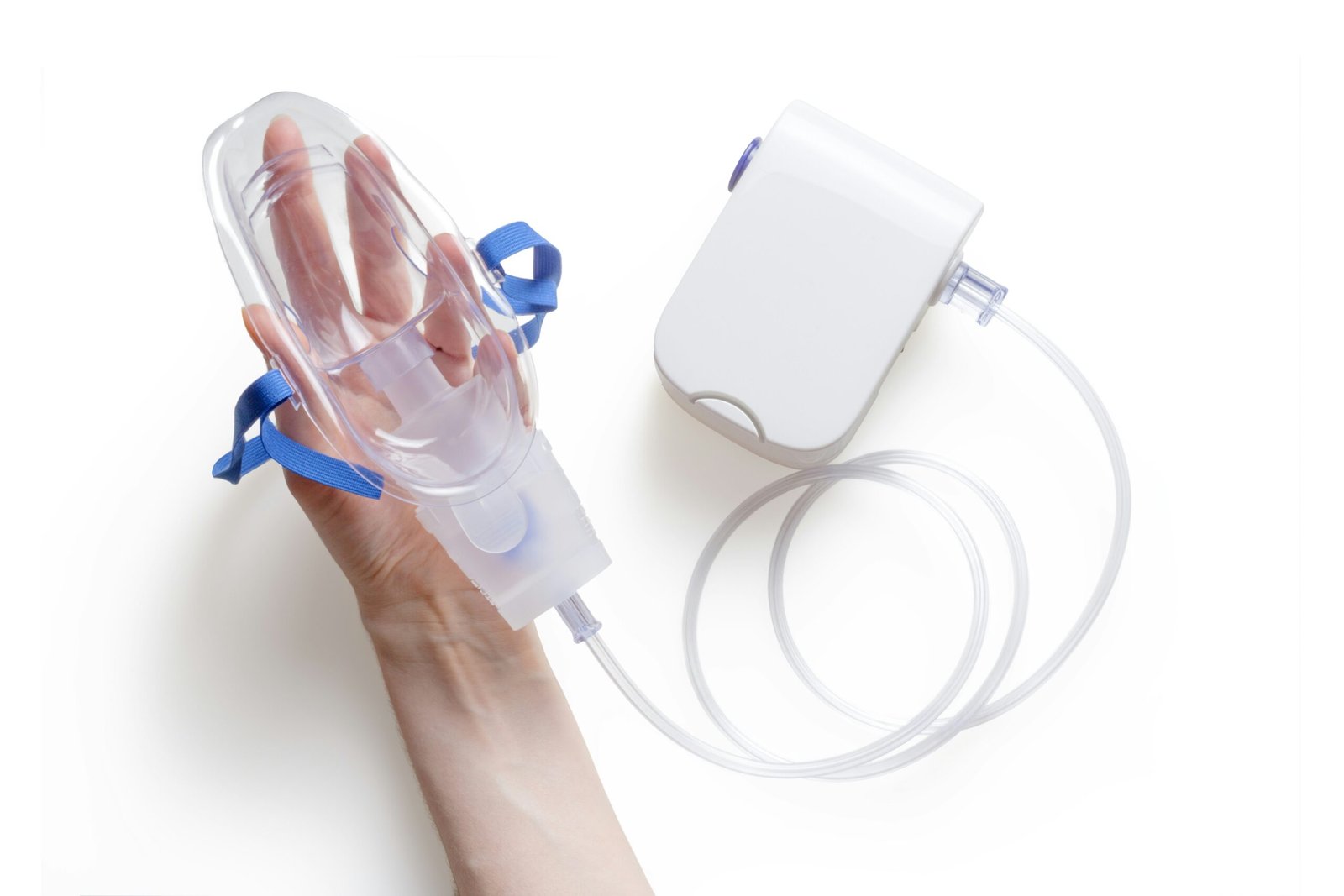
If you use an inhaler for asthma and still feel breathless, wheezy, or wake up coughing at night, the medicine itself may not be the problem — how you’re using it might be. Studies on inhaler technique have repeatedly found that most people make at least one mistake when using their device, and even small errors can mean a large share of the dose never reaches the lungs. For patients and caregivers across Pakistan managing asthma day to day, learning to spot and fix these mistakes is one of the simplest ways to get better control without changing a single medication.
Why Technique Matters as Much as the Medicine
Inhaled asthma medicines work directly on the airways, which is what makes them so effective compared to tablets — but only if the medicine actually gets there. A rushed puff, a mistimed breath, or a device that’s held the wrong way can send most of the dose onto the tongue, the back of the throat, or into the air instead of down into the smaller airways where it’s needed. Over time, this can look exactly like “the medicine isn’t working,” when the real issue is simply technique.
The Most Common Inhaler Mistakes
Doctors and respiratory therapists see the same handful of errors again and again, across age groups and across devices. The most frequent ones include:
- Not shaking or priming a metered-dose inhaler (MDI) before use, which can lead to an uneven dose, especially after the inhaler has been sitting unused for a few days.
- Breathing in too fast. A quick, sharp inhale causes much of the medicine to hit the back of the throat instead of traveling into the lungs — a slow, steady breath works far better.
- Skipping the breath-hold. Holding your breath for about 8–10 seconds after inhaling (or as long as comfortable) gives the medicine time to settle in the airways rather than being exhaled right back out.
- Poor coordination between pressing the inhaler and breathing in, especially common in young children and older adults — this is exactly the problem a spacer device is designed to solve.
- Not rinsing the mouth after using a steroid (preventer) inhaler, which can lead to throat irritation, hoarseness, or oral thrush over time.
- Taking puffs back-to-back without waiting 15–30 seconds in between, which reduces how well the second puff is absorbed.
Signs Your Technique Might Be Off
You don’t need special equipment to suspect a technique problem. Some everyday clues include:
- You taste the medicine strongly at the back of your throat rather than feeling it go “down.”
- You cough immediately after using the inhaler.
- Your reliever (quick-relief) inhaler doesn’t seem to ease symptoms within a few minutes.
- You’re using your reliever inhaler more than twice a week, outside of exercise.
- A child struggles to coordinate pressing the canister with breathing in at the same time.
If any of these sound familiar, it’s worth asking a doctor, pharmacist, or nurse to watch you use your inhaler in person. Many people have never had their technique checked after the first prescription, even years later.
A Simple Step-by-Step for Metered-Dose Inhalers
While every device is slightly different and you should always follow the instructions that come with your specific inhaler, the general steps for a standard MDI are:
- Remove the cap and shake the inhaler well (if it’s a type that requires shaking).
- Breathe out fully, away from the inhaler, to empty your lungs.
- Place the mouthpiece between your lips and seal them around it.
- Start breathing in slowly, and press down on the canister as you begin to inhale.
- Keep breathing in slowly and deeply until your lungs feel full.
- Hold your breath for 8–10 seconds, then breathe out gently.
- If a second puff is needed, wait 15–30 seconds before repeating the steps.
For young children, elderly patients, or anyone who finds it hard to coordinate pressing and breathing, a spacer device attached to the inhaler makes a real difference. It slows down the spray and gives more time to breathe it in properly, which is why spacers are widely recommended for children with asthma.
Why Technique Alone Isn’t Always Enough
Fixing inhaler technique solves one part of the puzzle, but not every case of “poor control” is a technique issue — sometimes the underlying airway inflammation is simply more active than the current treatment can manage, even when every puff is taken correctly. This is where objective testing becomes useful. Rather than guessing from symptoms alone, a doctor can measure airway inflammation directly through FeNO testing, which gives a clearer picture of whether your current treatment plan is actually calming the inflammation driving your asthma, or whether it needs to be adjusted. Pairing correct inhaler use with the right diagnostic information gives both patients and doctors a much more reliable path to control.
Simple Habits That Help at Home
A few small habits, repeated consistently, go a long way toward better asthma control for families across Pakistan:
- Keep a written or photographed note of the correct steps taped inside a cupboard, especially for children’s inhalers.
- Check the dose counter (if your inhaler has one) so you’re not caught out by an empty device.
- Clean the mouthpiece regularly with a dry cloth to prevent blockages.
- Ask your pharmacist to re-check technique every few months — it’s a quick, free check that’s easy to skip.
- Bring the inhaler itself to doctor visits, rather than just describing it, so technique can be demonstrated and corrected on the spot.
When to See a Doctor
Correcting technique can meaningfully improve day-to-day symptoms, but it isn’t a substitute for medical review. See a doctor if you’re using your reliever inhaler more than twice a week, waking up at night with coughing or wheezing, or if symptoms are limiting your normal activities despite using your inhaler correctly. These are signs that your treatment plan — not just your technique — may need to be reassessed.
This article is for general educational purposes and is not a substitute for personalised medical advice. Please consult your doctor or respiratory specialist for diagnosis and treatment decisions specific to you or your child.
Leave a Reply