FeNO.pk
NObreath FeNO Monitor
Sole Distributor in Pakistan

Author: FeNO.pk Team

  • Secondhand Smoke and Shisha: The Hidden Threat to Your Family’s Lungs in Pakistan

    Secondhand Smoke and Shisha: The Hidden Threat to Your Family’s Lungs in Pakistan

    In many Pakistani households, a family member’s cigarette or an evening shisha session with friends feels harmless enough — something that stays in one room, or ends when the smoke clears. But the air carrying that smoke doesn’t stay contained, and the lungs breathing it in don’t distinguish between “my smoke” and “someone else’s.” Secondhand smoke and shisha vapor are two of the most underestimated threats to respiratory health in homes across Lahore, Karachi, Islamabad, and beyond — and children, pregnant women, and anyone with an existing lung condition pay the highest price.
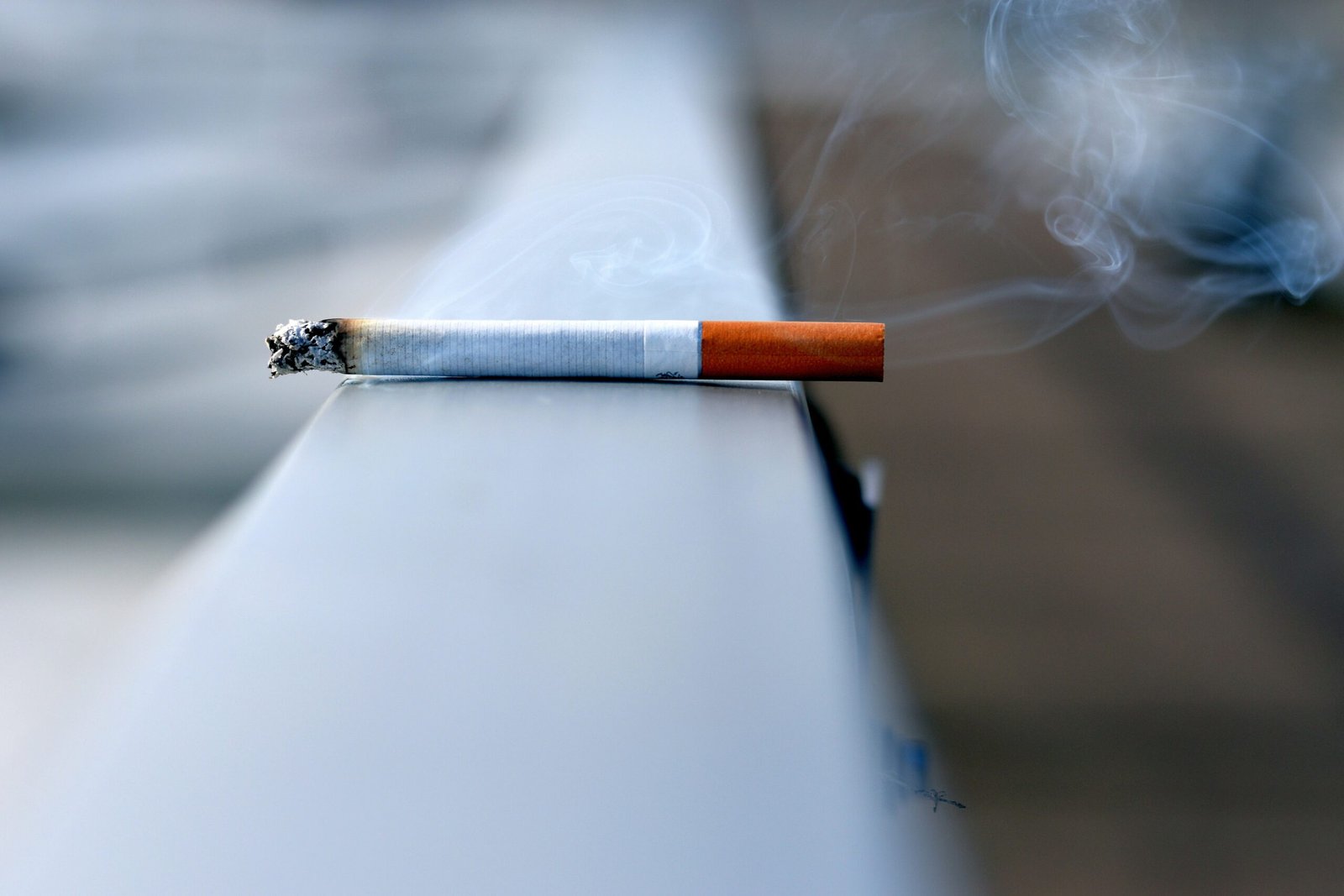
    Lit cigarette symbolizing secondhand smoke and shisha risks to lung health

    Why Secondhand Smoke Is More Than a Nuisance

    Secondhand smoke is the combination of smoke exhaled by a smoker and the smoke that burns off the end of a cigarette, bidi, or hookah coal. It contains many of the same irritants found in smoke inhaled directly, and there is no truly “safe” level of exposure to it — a point well established in general medical literature. Even brief, occasional exposure can irritate the lining of the airways, trigger coughing, and worsen symptoms in anyone whose airways are already sensitive, such as people living with asthma.

    In a typical Pakistani home, this exposure often happens quietly: a father smoking near an open window while the rest of the family sleeps, a grandparent lighting up on the veranda, or smoke drifting in from a neighboring house or street-side dhaba. Because it isn’t a visible “attack” the way smog or dust is, it’s easy to underestimate how much of it a child or an elderly relative is actually breathing in over weeks and months.

    The Shisha Myth: “It’s Just Flavored Water”

    Shisha (hookah) has become a popular evening activity at cafes and homes in many Pakistani cities, often seen as a gentler, more social alternative to cigarettes. The water bowl gives the impression that the smoke is somehow filtered or cooled into something harmless. In reality, the water cools the smoke but does not remove the harmful substances produced when tobacco and charcoal burn.

    A typical shisha session also tends to last much longer than smoking a single cigarette, which means a longer stretch of exposure for everyone sharing the room — including people who aren’t smoking the pipe themselves. The charcoal used to heat the tobacco adds its own combustion byproducts to the air, on top of whatever comes from the tobacco mixture itself. For bystanders, especially in an enclosed room with poor ventilation, this can add up to a meaningful amount of secondhand exposure over an evening.

    Who Is Most at Risk

    Children and Infants

    Children’s airways are smaller and still developing, and they breathe faster than adults, so they take in more smoke relative to their body size in the same smoky room. Repeated exposure in early childhood is associated with more frequent coughs, chest infections, and a higher chance of wheezing episodes, and can make existing asthma harder to control.

    Pregnant Women

    Exposure to secondhand smoke during pregnancy is generally discouraged by obstetric guidance, since it may affect the growing baby. Expecting mothers in smoking households should feel comfortable asking family members to step outside or smoke away from shared living spaces.

    People With Asthma, COPD, or Other Lung Conditions

    For someone whose airways are already inflamed or narrowed — whether from asthma, COPD, or a history of pulmonary fibrosis — secondhand smoke is a well-known trigger that can bring on coughing fits, shortness of breath, or a flare-up that lands them back in the doctor’s office or, in more severe cases, the emergency room.

    Warning Signs Your Lungs May Be Reacting to Smoke Exposure

    You don’t have to be the one smoking to notice the effects. Watch for these signs in yourself, your children, or elderly family members who regularly share space with a smoker:

    • A persistent or recurring dry cough, especially at night or first thing in the morning
    • Eyes, nose, or throat that feel irritated after being in a smoky room
    • Headaches or a feeling of heaviness after an evening of shisha or exposure to smoke
    • More frequent colds, chest infections, or ear infections in young children
    • Worsening of existing asthma symptoms — more wheezing, more reliever inhaler use, or disturbed sleep
    • Noticeable breathlessness during activities that didn’t used to cause it

    None of these signs confirm a diagnosis on their own, but a pattern that keeps repeating is worth mentioning to a doctor rather than dismissing as “just the weather” or “just a cold.”

    Practical Ways to Protect Your Family

    You don’t need a confrontation to reduce exposure at home. Small, consistent changes make a real difference:

    1. Make the home and car smoke-free zones — smoking outside, away from doors and windows, reduces how much drifts back indoors.
    2. Avoid smoking or shisha sessions in rooms where children sleep or spend most of their time, even with a fan or air freshener running.
    3. If shisha is part of a social gathering, hold it outdoors or on an open terrace rather than in an enclosed sitting room.
    4. Ventilate rooms well — open windows and use exhaust fans during and after any smoking indoors.
    5. Encourage family members who smoke to consider quitting; even cutting down, combined with smoking outdoors, reduces household exposure.
    6. Be mindful of exposure at relatives’ homes, weddings, and family gatherings where shisha is often shared freely among younger adults.

    When to See a Doctor

    If a child or adult in your home has a cough that won’t settle, frequent chest infections, or breathing difficulty that seems to track with smoke exposure, it’s worth getting checked rather than waiting it out. A doctor may examine the airways with simple tools such as spirometry, and in some clinics a FeNO (Fractional exhaled Nitric Oxide) breath test is used alongside these assessments to check for airway inflammation — a useful way to see, objectively, whether ongoing irritant exposure like smoke is contributing to inflamed airways, and to track whether things improve once exposure is reduced.

    This article is for general awareness and is not a substitute for medical advice. If you or a family member has ongoing respiratory symptoms, please consult a qualified doctor for proper diagnosis and treatment.

    The Bottom Line

    Secondhand smoke and shisha vapor don’t announce themselves the way smog or dust storms do, which makes it easy to overlook how much they add to a family’s daily breathing load. The good news is that unlike outdoor air pollution, this is one lung-health risk a household has real control over — a few consistent habits around where and how smoking happens can meaningfully lower everyone’s exposure, especially for the children and elders who share that air every day.


  • Exercise-Induced Asthma: Keeping Pakistani Kids Active and Safe in Sports

    Exercise-Induced Asthma: Keeping Pakistani Kids Active and Safe in Sports

    For many Pakistani children and teenagers, a cough, tight chest, or sudden breathlessness during a cricket match, a run around the school ground, or a brisk walk home isn’t just “being unfit” — it can be exercise-induced bronchoconstriction, often called exercise-induced asthma. It is one of the most common reasons active kids quietly start avoiding sports, and with the right diagnosis and a simple management plan, there is rarely a need for a child to sit on the sidelines at all.

    Child playing soccer outdoors, relevant to exercise-induced asthma in kids

    What Is Exercise-Induced Asthma, Exactly?

    When you exercise, you breathe faster and through your mouth, which means the air reaching your airways is drier and cooler than usual. In most people this is harmless. But in someone with sensitive, asthma-prone airways, that rapid cooling and drying can trigger the muscles around the airways to tighten — a process called bronchoconstriction — making it harder to move air in and out of the lungs.

    This can happen in children who already have diagnosed asthma, but it can also be the very first clue that a child has asthma at all, since some kids have few symptoms at rest and only struggle once they start running, cycling, or playing a full match.

    Why This Matters More in Pakistan

    A few local realities make exercise-induced asthma a particularly common concern for families here. School sports, gully cricket, and PE classes often happen outdoors in the late afternoon or early evening, right when dust, vehicle exhaust, and — during autumn and winter — smog levels can be at their worst. Dry, dusty air combined with physical exertion is exactly the combination that tends to set off airway tightening. On top of that, many children with mild asthma go undiagnosed for years because their only symptom is “getting tired faster than the other kids,” which is easy to dismiss as low fitness rather than a treatable airway condition.

    Warning Signs Parents and Coaches Should Watch For

    Exercise-induced symptoms usually appear within five to twenty minutes of starting physical activity, and sometimes a few minutes after stopping. Look out for:

    • Coughing that starts during or shortly after exercise, especially a dry cough
    • Wheezing or a whistling sound while breathing out
    • Chest tightness or a feeling of not being able to “get a full breath”
    • Getting unusually breathless compared to teammates of similar fitness
    • Avoiding sports, games, or stairs without a clear explanation
    • Symptoms that are noticeably worse on hot, cold, dry, or high-pollution days

    If a child regularly needs to stop and catch their breath well before their peers do, it is worth mentioning to a doctor rather than putting it down to needing “more practice.”

    How Doctors Confirm the Diagnosis

    Because the symptoms only show up with activity, exercise-induced asthma can be tricky to catch during a normal clinic visit where the child is sitting calmly. Doctors typically start with a detailed history of when symptoms occur, then may use lung function tests such as spirometry, sometimes paired with an exercise or exertion challenge, to see how the airways respond to physical activity.

    Many clinicians also use FeNO (Fractional exhaled Nitric Oxide) testing alongside these assessments, since it measures airway inflammation directly through a simple breath test. For a child whose only clue is breathlessness during sports, a raised FeNO reading can support an asthma diagnosis even when a resting lung function test looks normal, and it gives the doctor an objective way to check, over time, whether treatment is actually calming the underlying inflammation.

    Helping Kids Stay Active and Safe

    The goal is almost never to stop a child from playing sports — regular physical activity is genuinely good for lung health and overall development. Instead, the focus is on managing triggers sensibly:

    1. Warm up gradually for 10–15 minutes before intense activity; this can reduce the severity of airway tightening.
    2. Follow the doctor’s prescribed plan, which may include a reliever inhaler used shortly before exercise.
    3. Avoid outdoor practice during peak smog hours or very high pollution days; shift sessions indoors or to early morning where possible.
    4. Breathe through the nose when possible during warm-ups, since it warms and humidifies air better than mouth breathing.
    5. Keep a rescue inhaler accessible at practice and matches, and make sure coaches and teachers know how to recognize symptoms.
    6. Treat other triggers, such as allergic rhinitis or reflux, since untreated allergies can make exercise-related symptoms worse.

    When to See a Doctor Promptly

    Most exercise-related breathlessness in children is manageable once properly assessed, but certain patterns deserve a prompt medical review rather than a wait-and-see approach: symptoms that are getting more frequent or severe, breathlessness that does not ease within a few minutes of stopping activity and resting, blue-tinged lips or fingertips, or a child who seems frightened or exhausted out of proportion to the activity. These are signs to seek medical attention without delay.

    The Bottom Line

    A child who struggles to breathe during sports is not necessarily unfit — they may have airways that react to exercise, dust, and changing weather, which is a very treatable condition once it is correctly identified. With a proper diagnosis, the right inhaler technique, and some sensible adjustments around outdoor air quality, most children with exercise-induced asthma can keep playing the sports they love. If your child shows any of the warning signs above, consider discussing lung function or airway inflammation testing with their doctor — you can read more about how this kind of testing fits into asthma care on our clinical applications page, or get in touch to learn more about FeNO testing for your clinic or child.

    This article is for general educational purposes and is not a substitute for professional medical advice. Please consult your doctor for diagnosis and treatment specific to your child’s situation.

  • Chronic Cough That Won’t Go Away? What It Could Mean for Your Lungs

    Chronic Cough That Won’t Go Away? What It Could Mean for Your Lungs

    A cough that lingers for a day or two after a cold is normal. But when a cough drags on for weeks — or keeps coming back month after month — it usually means something is irritating or inflaming your airways, and it is worth taking seriously. In Pakistan, where dust, smoke, and seasonal smog are part of daily life, a chronic cough is often brushed off as “just the weather” or “just allergies.” Sometimes that’s true. Sometimes it is an early sign of asthma, COPD, or another lung condition that responds much better to treatment when caught early.

    Doctor examining a patient to investigate the cause of a chronic cough

    What Counts as a “Chronic” Cough?

    Doctors generally describe a cough as chronic once it lasts longer than eight weeks in adults (four weeks in children). That is different from the short-lived cough of a flu or chest infection, which usually clears up within a couple of weeks. A chronic cough can be dry and tickly, or it can bring up mucus. It may be worse at night, after exercise, or when you walk into a smoky or dusty room. The pattern itself is a clue, which is why it helps to pay attention to when your cough flares up, not just that it exists.

    Common Causes Behind a Long-Lasting Cough

    A persistent cough can come from several different sources, and more than one can overlap in the same person:

    • Asthma — inflamed, twitchy airways that react to dust, pollen, smoke, cold air, or exercise. Cough-variant asthma can show up as cough alone, with little or no wheeze.
    • Post-nasal drip and allergic rhinitis — mucus draining down the back of the throat from allergies or sinus irritation, common in Pakistan’s dusty, pollen-heavy air.
    • GERD (acid reflux) — stomach acid irritating the throat and airways, often worse after meals or lying down.
    • Chronic bronchitis or early COPD — especially in current or former smokers, or people with long-term exposure to biomass smoke, cooking fumes, or workplace dust.
    • Pulmonary fibrosis or other interstitial lung disease — a dry, persistent cough combined with gradually worsening breathlessness.
    • Certain blood pressure medicines (ACE inhibitors) — a well-known but often overlooked cause of a dry cough.

    Red Flags: When a Cough Needs Prompt Medical Attention

    Most chronic coughs are not an emergency, but certain signs mean you should not wait to see a doctor:

    • Coughing up blood, or mucus that is consistently rust-colored
    • Unexplained weight loss alongside the cough
    • Fever that keeps returning or night sweats
    • Shortness of breath that is getting worse, or waking you at night
    • Chest pain that comes with the cough
    • A cough in a current or former heavy smoker that has changed in character

    None of this is a substitute for a proper medical opinion — if you notice any of these, please see a doctor rather than trying to self-diagnose from an article.

    How Doctors Work Out What’s Causing It

    Finding the cause of a chronic cough usually starts with a detailed history: when it started, what makes it better or worse, and whether there is a history of allergies, smoking, reflux, or exposure to smoke and dust at home or work. From there, your doctor may examine your chest, check your breathing with simple tests, or ask for a chest X-ray.

    When asthma is suspected as the cause — particularly cough-variant asthma, where wheeze may be minimal or absent — airway inflammation can be an important clue that a cough alone won’t reveal. This is where tools like FeNO (Fractional exhaled Nitric Oxide) testing can help: it is a quick, non-invasive breath test that measures airway inflammation directly, giving your doctor objective information to support an asthma diagnosis and to track whether treatment is actually calming the inflammation down, rather than relying on symptoms alone.

    The Sleep Connection: Cough, Breathing, and Rest

    It is also worth mentioning how closely cough and night-time breathing are linked. Many people with a chronic cough notice it is worse lying down, and some also struggle with poor-quality sleep, loud snoring, or waking up gasping — signs that can point toward obstructive sleep apnea, a condition where the airway repeatedly narrows or collapses during sleep. Sleep apnea strains the respiratory system overnight in a different way than asthma or COPD, but the two can coexist and worsen each other: disrupted sleep weakens the body’s ability to manage airway inflammation, while chronic lung conditions can make sleep-disordered breathing feel worse. If snoring, witnessed pauses in breathing, or unrefreshing sleep sound familiar alongside your cough, it is worth mentioning to your doctor. For readers who want to learn more about diagnosing and managing sleep apnea with CPAP therapy, cpap.pk — a sister resource under Electromed Corporation — covers sleep apnea equipment and support in detail.

    Practical Steps While You Wait for a Diagnosis

    While you are working with your doctor to find the cause, a few simple habits can ease a nagging cough:

    1. Stay well hydrated — warm fluids can soothe an irritated throat.
    2. Avoid known triggers where possible: smoke, strong perfumes, dusty rooms, and outdoor air on high-pollution days.
    3. Elevate your head slightly while sleeping if reflux may be contributing.
    4. Use a mask when cleaning, cooking over an open flame, or riding in traffic on smoggy days.
    5. Keep a simple symptom diary — note the time of day, triggers, and severity — to share with your doctor.

    The Bottom Line

    A cough that won’t quit is your body’s way of flagging that something in your airways needs attention. Most causes are manageable once identified, but figuring out which one applies to you takes a proper evaluation rather than guesswork. If your cough has lasted more than a few weeks, especially alongside breathlessness, wheeze, or disturbed sleep, it is worth booking an appointment and asking whether tests for airway inflammation or lung function would help clarify the picture. You can learn more about where this kind of testing fits into asthma and COPD care on our clinical applications page, or get in touch with our team for guidance.

    This article is for general educational purposes and is not a substitute for professional medical advice. Please consult your doctor for diagnosis and treatment specific to your situation.

  • Peak Flow Meters at Home: A Simple Daily Tool to Help Manage Asthma

    Peak Flow Meters at Home: A Simple Daily Tool to Help Manage Asthma

    If you or your child live with asthma, you probably already track symptoms by feel — a tight chest, a nighttime cough, feeling winded on the stairs. But how your airways are actually performing can change for days before you notice anything “off.” A peak flow meter is a small, inexpensive handheld device that gives you a number for that change, often early enough to act before a full-blown asthma attack sets in. It’s one of the simplest and most useful home-monitoring habits a person with asthma can build, and it costs only a few minutes a day.

    What Is a Peak Flow Meter?

    A peak flow meter measures how fast you can forcefully blow air out of your lungs after taking a deep breath in — a value called your Peak Expiratory Flow Rate (PEFR), measured in litres per minute. When your airways are open and relaxed, air rushes out quickly and the number is high. When the airways are inflamed, swollen, or narrowed by excess mucus, air moves more slowly and the number drops, sometimes well before you feel any symptoms. This makes the device less a diagnostic tool and more an early-warning system for people who already know they have asthma.

    The devices themselves are mechanical and need no batteries or electricity: a plastic tube with a sliding or rotating marker that moves according to how hard you blow into it. They are widely available at pharmacies in Pakistan and are generally affordable, making them one of the more accessible home-monitoring options for families managing asthma.

    Why Daily Monitoring Helps With Asthma Control

    Asthma symptoms don’t always show up in a predictable way. Some people under-report how breathless they really are because they’ve gradually adjusted their activity level without realising it; children, in particular, often don’t recognise or describe worsening breathing until it’s fairly advanced. A peak flow reading removes the guesswork. Tracking it daily over time builds a personal baseline, so a sudden dip becomes an objective, early signal rather than something you only notice once breathing becomes genuinely difficult.

    This kind of monitoring is especially useful for:

    • People with moderate to severe asthma who are prone to sudden flare-ups.
    • Children whose asthma is managed partly by parents or caregivers who aren’t with them all day.
    • Anyone whose asthma seems to worsen seasonally, such as during Pakistan’s smog months or pollen season.
    • Patients recovering from a recent flare-up, to confirm their lungs are genuinely back to baseline before reducing medication.

    How to Use a Peak Flow Meter Correctly

    Technique matters — an inconsistent blowing technique gives inconsistent, less useful numbers. The general steps are:

    1. Stand up if possible, since an upright posture lets you take the fullest breath.
    2. Make sure the meter’s sliding marker is reset to zero.
    3. Take as deep a breath in as you can.
    4. Seal your lips tightly around the mouthpiece — no gaps for air to leak out.
    5. Blow out as hard and as fast as you can in one short, sharp blast (this is a “fast and hard” effort, not a slow, steady exhale).
    6. Note the number the marker lands on.
    7. Repeat two more times, resetting the marker each time, and record the highest of the three readings — not the average.

    Many doctors recommend checking peak flow at the same times each day — typically morning and evening, before taking reliever medication — so the readings are comparable over time.

    Understanding Your Personal Best and the Three Zones

    A single peak flow number means very little on its own; what matters is how it compares to your own “personal best” — the highest reading you get over a couple of weeks when your asthma is well controlled. Once you know that number, many doctors use a simple traffic-light system to interpret daily readings:

    • Green zone (80–100% of personal best): Asthma is well controlled. Continue your usual medication routine.
    • Yellow zone (50–79% of personal best): A warning sign that airways are narrowing. This is usually when a written asthma action plan calls for an extra dose of reliever medication or a call to your doctor.
    • Red zone (below 50% of personal best): A medical emergency zone. This calls for immediate reliever medication and urgent medical attention, especially if breathlessness, chest tightness, or an inability to speak in full sentences is also present.

    These percentage cut-offs can vary slightly from one doctor’s asthma action plan to another, so it’s worth asking your own physician to write out your specific zones and what to do in each one, rather than relying on generic numbers alone.

    Peak Flow Meters vs Other Lung Tests

    It helps to understand what a peak flow meter does not tell you. It measures how narrow your airways are at that moment — a mechanical, airflow-based measurement — but it says nothing about why they’re narrow. Two patients can have identical peak flow readings for very different underlying reasons: one from ongoing allergic inflammation, another from mucus buildup during an infection. This is where a different kind of test, FeNO (Fractional exhaled Nitric Oxide) testing, adds a piece of the picture that peak flow can’t. Rather than measuring airflow, FeNO testing measures a specific marker of airway inflammation itself, which helps doctors understand whether a patient’s current inflammation is being adequately controlled by their treatment, or whether it needs to be stepped up or down. Used together, home peak flow tracking and clinical FeNO testing give a much fuller view of asthma control than either one alone — one for day-to-day trends at home, the other for a more precise inflammation reading during a clinic visit.

    Building Peak Flow Monitoring Into Your Routine

    A peak flow meter is only useful if it’s actually used consistently. A few habits make that easier:

    • Keep a simple paper chart or a notes app log — date, time, and the best of three readings — rather than trying to remember numbers.
    • Store the meter somewhere visible, like next to a toothbrush, so it becomes part of an existing routine.
    • Clean the mouthpiece regularly with mild soap and water, and replace the device if it’s cracked, has a sticky slider, or is several years old.
    • For children, turn it into a short daily ritual rather than a chore — some pediatric clinics suggest tracking results on a simple chart with stickers for younger kids.
    • Bring your chart or app log to every doctor’s visit, since trends over weeks are often more useful to your doctor than any single reading.

    When to See a Doctor

    A peak flow meter supports your asthma management, but it doesn’t replace a proper diagnostic workup or a written action plan from your doctor. See a doctor promptly if your readings are consistently in the yellow zone despite following your current plan, if you’ve never been given personal best numbers or clear zone instructions, or if you find yourself unsure how to respond to a low reading. For a more complete picture of your airway inflammation and overall lung health, ask your pulmonologist whether additional testing — including FeNO testing, covered in our clinical applications overview — would help fine-tune your treatment.

    This article is for general educational purposes and is not a substitute for personalised medical advice. Please consult your doctor or respiratory specialist for diagnosis and treatment decisions specific to you or your child.

  • Common Inhaler Mistakes That Are Quietly Sabotaging Your Asthma Control

    Common Inhaler Mistakes That Are Quietly Sabotaging Your Asthma Control

    If you use an inhaler for asthma and still feel breathless, wheezy, or wake up coughing at night, the medicine itself may not be the problem — how you’re using it might be. Studies on inhaler technique have repeatedly found that most people make at least one mistake when using their device, and even small errors can mean a large share of the dose never reaches the lungs. For patients and caregivers across Pakistan managing asthma day to day, learning to spot and fix these mistakes is one of the simplest ways to get better control without changing a single medication.

    Why Technique Matters as Much as the Medicine

    Inhaled asthma medicines work directly on the airways, which is what makes them so effective compared to tablets — but only if the medicine actually gets there. A rushed puff, a mistimed breath, or a device that’s held the wrong way can send most of the dose onto the tongue, the back of the throat, or into the air instead of down into the smaller airways where it’s needed. Over time, this can look exactly like “the medicine isn’t working,” when the real issue is simply technique.

    The Most Common Inhaler Mistakes

    Doctors and respiratory therapists see the same handful of errors again and again, across age groups and across devices. The most frequent ones include:

    1. Not shaking or priming a metered-dose inhaler (MDI) before use, which can lead to an uneven dose, especially after the inhaler has been sitting unused for a few days.
    2. Breathing in too fast. A quick, sharp inhale causes much of the medicine to hit the back of the throat instead of traveling into the lungs — a slow, steady breath works far better.
    3. Skipping the breath-hold. Holding your breath for about 8–10 seconds after inhaling (or as long as comfortable) gives the medicine time to settle in the airways rather than being exhaled right back out.
    4. Poor coordination between pressing the inhaler and breathing in, especially common in young children and older adults — this is exactly the problem a spacer device is designed to solve.
    5. Not rinsing the mouth after using a steroid (preventer) inhaler, which can lead to throat irritation, hoarseness, or oral thrush over time.
    6. Taking puffs back-to-back without waiting 15–30 seconds in between, which reduces how well the second puff is absorbed.

    Signs Your Technique Might Be Off

    You don’t need special equipment to suspect a technique problem. Some everyday clues include:

    • You taste the medicine strongly at the back of your throat rather than feeling it go “down.”
    • You cough immediately after using the inhaler.
    • Your reliever (quick-relief) inhaler doesn’t seem to ease symptoms within a few minutes.
    • You’re using your reliever inhaler more than twice a week, outside of exercise.
    • A child struggles to coordinate pressing the canister with breathing in at the same time.

    If any of these sound familiar, it’s worth asking a doctor, pharmacist, or nurse to watch you use your inhaler in person. Many people have never had their technique checked after the first prescription, even years later.

    A Simple Step-by-Step for Metered-Dose Inhalers

    While every device is slightly different and you should always follow the instructions that come with your specific inhaler, the general steps for a standard MDI are:

    1. Remove the cap and shake the inhaler well (if it’s a type that requires shaking).
    2. Breathe out fully, away from the inhaler, to empty your lungs.
    3. Place the mouthpiece between your lips and seal them around it.
    4. Start breathing in slowly, and press down on the canister as you begin to inhale.
    5. Keep breathing in slowly and deeply until your lungs feel full.
    6. Hold your breath for 8–10 seconds, then breathe out gently.
    7. If a second puff is needed, wait 15–30 seconds before repeating the steps.

    For young children, elderly patients, or anyone who finds it hard to coordinate pressing and breathing, a spacer device attached to the inhaler makes a real difference. It slows down the spray and gives more time to breathe it in properly, which is why spacers are widely recommended for children with asthma.

    Why Technique Alone Isn’t Always Enough

    Fixing inhaler technique solves one part of the puzzle, but not every case of “poor control” is a technique issue — sometimes the underlying airway inflammation is simply more active than the current treatment can manage, even when every puff is taken correctly. This is where objective testing becomes useful. Rather than guessing from symptoms alone, a doctor can measure airway inflammation directly through FeNO testing, which gives a clearer picture of whether your current treatment plan is actually calming the inflammation driving your asthma, or whether it needs to be adjusted. Pairing correct inhaler use with the right diagnostic information gives both patients and doctors a much more reliable path to control.

    Simple Habits That Help at Home

    A few small habits, repeated consistently, go a long way toward better asthma control for families across Pakistan:

    • Keep a written or photographed note of the correct steps taped inside a cupboard, especially for children’s inhalers.
    • Check the dose counter (if your inhaler has one) so you’re not caught out by an empty device.
    • Clean the mouthpiece regularly with a dry cloth to prevent blockages.
    • Ask your pharmacist to re-check technique every few months — it’s a quick, free check that’s easy to skip.
    • Bring the inhaler itself to doctor visits, rather than just describing it, so technique can be demonstrated and corrected on the spot.

    When to See a Doctor

    Correcting technique can meaningfully improve day-to-day symptoms, but it isn’t a substitute for medical review. See a doctor if you’re using your reliever inhaler more than twice a week, waking up at night with coughing or wheezing, or if symptoms are limiting your normal activities despite using your inhaler correctly. These are signs that your treatment plan — not just your technique — may need to be reassessed.

    This article is for general educational purposes and is not a substitute for personalised medical advice. Please consult your doctor or respiratory specialist for diagnosis and treatment decisions specific to you or your child.

  • Indoor Air Pollution in Pakistani Homes: Hidden Triggers for Asthma and COPD

    Indoor Air Pollution in Pakistani Homes: Hidden Triggers for Asthma and COPD

    Most conversations about lung health in Pakistan focus on outdoor smog, and for good reason. But the air inside the home can be just as harmful to the lungs — and since most people spend far more hours indoors than outside, poor indoor air quality can have an outsized effect on breathing over time. Cooking smoke, mosquito coils, damp walls, and poor ventilation are everyday features of many Pakistani households, yet they rarely get the same attention as outdoor pollution. This guide looks at the most common indoor lung irritants found in homes across Pakistan, who is most at risk, and practical changes that can genuinely help.

    Why Indoor Air Quality Matters Just As Much

    Indoor spaces are enclosed, which means pollutants released inside — smoke, dust, chemical fumes, or damp spores — have nowhere to go unless there is proper ventilation. In a poorly ventilated kitchen or bedroom, these irritants can build up to levels that are higher than what is found outside, even on a smoggy day. Because exposure happens every single day, often for hours at a stretch, the cumulative effect on the airways can be significant, particularly for people who already have asthma, COPD, or another chronic lung condition.

    Common Indoor Lung Irritants in Pakistani Homes

    Several everyday sources contribute to indoor air pollution, and many households are exposed to more than one at the same time:

    • Solid fuel cooking: wood, dung cakes, coal, or kerosene stoves used without a chimney or exhaust fan release large amounts of smoke and fine particles directly into the kitchen.
    • Frying and tandoor-style cooking: even with cleaner fuels like LPG, cooking without ventilation releases smoke, steam, and fine particles that linger in the air.
    • Mosquito coils and incense: popular for keeping insects away or for fragrance, but when burned in small, closed rooms — especially bedrooms overnight — they release smoke that can irritate the airways.
    • Indoor smoking, including hookah: tobacco smoke indoors exposes every member of the household, not just the smoker, to harmful particles and gases.
    • Damp walls and mould: common after monsoon rains or in homes with poor drainage, damp patches can grow mould that releases spores into the air.
    • Dust drifting in from outside: unpaved courtyards, nearby construction, or busy roads can send fine dust indoors through open doors and windows.
    • Strong cleaning sprays and air fresheners: used in small, enclosed spaces like bathrooms, these can irritate sensitive airways, especially in people with asthma.
    Pot cooking on a stove in a home kitchen, representing indoor air pollution sources

    Who Is Most Vulnerable?

    While indoor air pollution can affect anyone, certain groups are more vulnerable to its effects. Young children have smaller airways and are still developing their lungs, making them more sensitive to irritants. Elderly family members and anyone with an existing lung condition such as asthma or COPD are also at higher risk, since their airways are already more reactive or less resilient. Pregnant women and infants are another group worth special attention, as early-life exposure to indoor smoke has been linked to respiratory problems later on. In many Pakistani households, women who spend the most time cooking — often in poorly ventilated kitchens — also carry a disproportionate share of this daily exposure.

    Warning Signs Your Home’s Air May Be Affecting Your Lungs

    It is not always obvious that indoor air is the culprit behind ongoing symptoms, since the exposure is constant and easy to overlook. A few patterns are worth paying attention to:

    • A cough or throat irritation that noticeably improves when you are away from home for a few days, such as while travelling.
    • Asthma symptoms that consistently flare up around cooking times or shortly after using mosquito coils or incense.
    • Frequent eye, nose, or throat irritation in specific rooms of the house, particularly the kitchen or a room with visible damp patches.
    • Headaches, dizziness, or unusual fatigue that seem tied to being indoors rather than any other obvious cause.
    • More than one family member experiencing similar respiratory symptoms, which can point to a shared environmental cause rather than separate illnesses.

    Practical Steps to Improve Indoor Air Quality

    Many of the most effective changes are simple and low-cost, even if a full renovation is not realistic for every household:

    1. Improve kitchen ventilation: use an exhaust fan or chimney where possible, and keep a window open while cooking, even briefly.
    2. Choose cleaner cooking fuel where feasible: switching from solid fuel to LPG or another cleaner source significantly reduces smoke exposure.
    3. Keep mosquito coils and incense away from sleeping areas: if you use them, do so in a well-ventilated space and avoid burning them overnight in a closed bedroom.
    4. Avoid smoking indoors entirely: this protects every family member, not just the smoker.
    5. Address damp and leaks promptly: fixing the source of moisture prevents mould from taking hold, and any visible mould should be cleaned with gloves and good ventilation.
    6. Dust and clean regularly: pay particular attention to bedding, curtains, and carpets, which trap dust and allergens.
    7. Air out the home during low-pollution hours: cross-ventilation for even 15–20 minutes a day helps clear built-up indoor pollutants.
    8. Consider an air purifier for high-risk households: this can be particularly useful for homes with young children, elderly members, or someone with an existing lung condition.

    When to See a Doctor

    If a cough, wheeze, or breathlessness keeps coming back despite making changes at home, it is worth seeing a doctor rather than assuming it will settle on its own. This is especially important if symptoms are disrupting sleep, school, or work, or if they seem to be getting worse over time. For people with suspected or diagnosed asthma, a doctor may recommend a FeNO (fractional exhaled nitric oxide) test alongside other assessments — a quick, painless breath test that measures airway inflammation and can help show whether ongoing irritant exposure, such as from indoor smoke, is contributing to poorly controlled symptoms. You can learn more about how this breath test works and what it is used for. Identifying the right cause matters, because the most useful next step — whether that is reducing a specific household exposure, adjusting treatment, or both — depends on an accurate picture of what is driving the symptoms.

    A Note for Families With Children or Elderly Members

    Households with young children or elderly relatives benefit from being a little more proactive, simply because these groups tolerate irritant exposure less well. Small, consistent habits — keeping the kitchen ventilated, avoiding smoke near sleeping areas, and dealing with damp quickly — add up over months and years. None of this requires expensive equipment or major changes to daily life; it mostly comes down to awareness and a few adjusted routines.

    This article is intended as general information and is not a substitute for medical advice. If you or a family member has ongoing respiratory symptoms, please consult a qualified doctor for a diagnosis and treatment plan suited to your specific situation.

  • Occupational Lung Disease in Pakistan: How Workplace Dust and Fumes Harm Your Lungs

    Occupational Lung Disease in Pakistan: How Workplace Dust and Fumes Harm Your Lungs

    Every day, millions of workers across Pakistan’s brick kilns, textile mills, construction sites, and workshops breathe in dust, smoke, and chemical fumes as part of their job. Over months and years, this ongoing exposure can quietly damage the lungs long before any obvious symptoms appear. Occupational lung disease is one of the most under-recognized causes of chronic breathing problems in the country, partly because its symptoms — cough, breathlessness, wheeze — look so similar to asthma or ordinary chest infections. This guide explains what occupational lung disease is, who is most at risk, and what workers and families can do to protect their lungs.

    What Is Occupational Lung Disease?

    Occupational lung disease is an umbrella term for any lung condition caused or worsened by substances breathed in at work — dust, fibres, gases, fumes, or chemical vapours. Some of these particles settle deep in the lungs and trigger scarring or inflammation over time, while others irritate the airways directly, causing them to narrow and become hypersensitive. Unlike a cold or chest infection, occupational lung disease usually develops slowly, often over years of repeated exposure, which is exactly why it is so easy to miss until the damage is already significant.

    Who Is Most at Risk in Pakistan?

    Certain occupations carry a much higher risk of lung damage because of the materials and conditions involved. In Pakistan, this includes a very large informal workforce that often has limited access to protective equipment or regular health checkups:

    • Brick kiln workers: regularly exposed to smoke, coal dust, and fine particulate matter from firing bricks.
    • Textile and cotton mill workers: exposed to cotton dust and fibres that can inflame the airways over time.
    • Construction and stone-crushing workers: exposed to silica dust from cutting stone, concrete, and sand.
    • Welders and metalworkers: exposed to metal fumes and smoke in poorly ventilated workshops.
    • Farmers and agricultural workers: exposed to pesticide vapours, grain dust, and mould spores.
    • Mine and quarry workers: exposed to high concentrations of mineral dust over long shifts.
    Construction worker on scaffolding exposed to workplace dust that can harm lung health

    Common Occupational Lung Conditions

    Depending on what a worker is exposed to and for how long, different patterns of lung damage can develop:

    • Silicosis: scarring of the lungs caused by inhaling fine silica dust, common among stone, construction, and quarry workers.
    • Byssinosis (“brown lung”): a reaction to cotton or textile dust that causes chest tightness, especially noticeable at the start of the work week.
    • Occupational asthma: new-onset or worsened asthma triggered specifically by a workplace irritant or allergen.
    • Pneumoconiosis: a broader category of dust-related lung scarring, including coal worker’s pneumoconiosis.
    • Chronic bronchitis and COPD: long-term airway inflammation from years of dust or fume exposure, even without a formal diagnosis of a specific dust disease.

    Warning Signs to Watch For

    Because occupational lung disease develops gradually, the early signs are easy to dismiss as general tiredness or a normal part of physically demanding work. Workers and families should take note if any of the following become a regular pattern rather than a one-off:

    • A persistent cough lasting several weeks, with or without phlegm.
    • Breathlessness that is new, or that comes on with less effort than before.
    • Chest tightness or wheeze that is noticeably worse during work shifts and improves on rest days or holidays.
    • Frequent chest infections or colds that take longer than usual to clear.
    • Unusual fatigue that does not match the physical workload.

    A symptom pattern that improves away from work and returns after going back is an especially important clue, and it is worth mentioning explicitly to a doctor rather than leaving out as “just work tiredness.”

    How Occupational Lung Disease Is Diagnosed

    Diagnosis usually starts with a detailed work history — what the person has been exposed to, for how long, and with what protection — alongside a physical examination. From there, a doctor may order a chest X-ray or CT scan to look for scarring patterns, and lung function tests such as spirometry to measure how much air moves in and out of the lungs. In cases where occupational asthma is suspected rather than permanent scarring, a doctor may also recommend a FeNO (fractional exhaled nitric oxide) test — a quick, painless breath test that measures airway inflammation and can help distinguish an asthma-type reaction from other causes of chronic cough. You can read more about how this breath test works and what it measures. Getting an accurate diagnosis matters because the right next steps — reducing exposure, starting treatment, or both — depend on knowing exactly which condition is involved.

    Prevention: Protecting Your Lungs at Work

    Much of occupational lung disease is preventable with consistent, practical precautions, even in workplaces with limited resources:

    • Wear a properly fitted mask or respirator: a simple cloth covering offers little protection against fine dust; an N95 or equivalent mask is far more effective for high-dust tasks.
    • Improve ventilation: working near open doors or windows, or using exhaust fans, helps clear dust and fumes rather than letting them build up.
    • Use dust suppression where possible: wetting down materials before cutting or crushing reduces airborne dust significantly.
    • Take regular breaks away from the exposure source: even short breaks in cleaner air reduce total daily exposure.
    • Avoid smoking: smoking combined with occupational dust exposure dramatically increases the risk of serious lung damage.
    • Get periodic health checkups: workers in high-risk trades benefit from routine lung check-ups rather than waiting for symptoms to appear.

    Living with a Chronic Occupational Lung Condition

    For workers already diagnosed with a dust-related lung condition, the priority shifts to limiting further damage: reducing or changing exposure where possible, following prescribed inhalers or medication consistently, and attending follow-up appointments even when symptoms feel stable. Employers and families both have a role to play — employers by providing protective equipment and safer working conditions, and families by encouraging workers to take symptoms seriously rather than pushing through them. As with any chronic lung condition, specific treatment decisions should always be made with a doctor who knows the person’s full history, not from general advice alone.

    It is also worth knowing that chronic lung inflammation and poor breathing during the day are sometimes linked to disrupted breathing at night. Conditions like obstructive sleep apnea, where the airway repeatedly narrows or collapses during sleep, can both worsen daytime fatigue and interact with existing respiratory conditions, since poor sleep quality makes it harder for the body to recover from daytime breathing strain. Workers who snore loudly, wake up gasping, or feel exhausted despite a full night’s sleep may want to ask their doctor about a sleep evaluation; resources on CPAP therapy and sleep apnea equipment are available through Electromed Corporation’s sister site, cpap.pk, for those who need ongoing support with sleep-disordered breathing.

    When to See a Doctor

    Anyone working in a dusty or fume-heavy environment who notices a persistent cough, new breathlessness, or a clear pattern of symptoms worsening at work should see a doctor rather than waiting for things to settle on their own. Early diagnosis makes a real difference, since reducing exposure before significant scarring occurs can prevent a mild problem from becoming a disabling one. This article is intended as general information and is not a substitute for medical advice — always consult a qualified doctor for diagnosis and treatment specific to your situation.

  • Living with COPD: Daily Habits That Help You Breathe Easier

    Living with COPD: Daily Habits That Help You Breathe Easier

    A diagnosis of Chronic Obstructive Pulmonary Disease (COPD) can feel overwhelming at first, but for most patients, it does not mean giving up an active life. COPD is a long-term condition in which the airways and air sacs in the lungs are damaged, usually from years of exposure to smoke, dust, or polluted air, making it progressively harder to move air in and out of the lungs. While there is no cure, the right daily habits can make a real difference in how well a person breathes, how often flare-ups happen, and how much energy they have for everyday life. This guide covers practical, doable steps for patients and caregivers managing COPD at home in Pakistan.

    Understanding What COPD Does to the Lungs

    COPD is actually an umbrella term that usually covers two related problems: chronic bronchitis, where the airways are inflamed and produce excess mucus, and emphysema, where the tiny air sacs lose their elasticity and air gets trapped. Most patients have some degree of both. The result is the same frustrating pattern — shortness of breath, a persistent cough, and a feeling of not being able to get a full breath in, especially during physical activity. Because the damage builds up slowly over years, many people only notice symptoms once the disease has already progressed, which is why ongoing management matters so much once a diagnosis is confirmed.

    Elderly person practicing breathing exercises at home as part of daily COPD management

    Building a Breathing-Friendly Daily Routine

    Small, consistent habits usually matter more than occasional big efforts. A steady daily routine helps the lungs work as efficiently as possible and makes flare-ups less likely:

    • Practice pursed-lip breathing: Inhale slowly through the nose, then exhale twice as slowly through pursed lips, as if blowing out a candle gently. This helps release trapped air and reduces breathlessness during exertion.
    • Try diaphragmatic (belly) breathing: Sit or lie comfortably, place a hand on your stomach, and focus on letting the belly rise with each inhale rather than lifting the shoulders. This strengthens the main breathing muscle and reduces wasted effort.
    • Pace physical tasks: Break chores into smaller steps with rest in between, and avoid rushing through activities like bathing, climbing stairs, or carrying groceries.
    • Stay hydrated: Drinking enough water throughout the day helps keep mucus thinner and easier to clear.
    • Keep medications and inhalers within reach: Using prescribed inhalers correctly and on schedule, not just during flare-ups, is one of the most effective ways to keep symptoms stable.
    • Sleep with the head slightly elevated: This can ease nighttime breathlessness for some patients, though it’s worth discussing the best sleeping position with your doctor.

    Recognizing and Managing Flare-Ups

    A COPD exacerbation, or flare-up, is a period when symptoms suddenly get worse — more breathlessness, thicker or discolored mucus, increased coughing, or unusual fatigue. Flare-ups are often triggered by respiratory infections, sudden temperature changes, or heavy exposure to smoke and dust. Recognizing the early warning signs and having an action plan agreed upon with your doctor in advance — covering when to adjust inhaler use, when to start a course of medication, and when to seek emergency care — can prevent a flare-up from turning into a hospital admission. Caregivers should also learn these warning signs, since patients sometimes underplay how unwell they feel.

    Protecting Your Lungs from Pakistan’s Air Quality

    For COPD patients living in cities like Lahore, Karachi, Peshawar, or Islamabad, outdoor air quality is a daily concern, particularly during the smog-heavy winter months. On days when pollution is visibly high, it helps to limit outdoor activity to early morning hours, keep windows closed during peak traffic and smog hours, and use a simple N95 or surgical mask when stepping outside is unavoidable. Indoors, reducing exposure to cooking smoke, incense, and secondhand cigarette smoke is just as important, since indoor air pollution can be just as harmful to already-sensitive lungs as the smog outside.

    Staying Active Without Overexertion

    It may seem counterintuitive, but staying as physically active as your body allows is one of the best things a COPD patient can do. Gentle, regular activity — a short daily walk, light stretching, or a structured pulmonary rehabilitation program if one is available nearby — helps maintain muscle strength and makes everyday breathlessness more manageable over time. The key is pacing: start with short sessions, build up gradually, and always stop and rest if breathlessness becomes severe or you feel dizzy or unusually unwell.

    A Simple Weekly Activity Goal

    1. Start with 5–10 minutes of gentle walking, two to three times a week
    2. Add a few minutes of seated stretching or arm movements on rest days
    3. Gradually increase duration as tolerated, under your doctor’s guidance
    4. Track breathlessness and energy levels to notice patterns over time

    Why Ongoing Monitoring Matters

    COPD can sometimes overlap with asthma, a combination doctors call asthma-COPD overlap, which can change how a patient is best treated. Because the two conditions involve different underlying processes — airway inflammation in asthma versus long-term structural damage in COPD — getting an accurate, specific diagnosis matters for choosing the right treatment approach. This is one of the areas where objective, non-invasive lung testing has become part of standard practice across a number of clinical applications in respiratory care, helping doctors separate inflammatory airway disease from the more fixed airflow changes typical of COPD, and fine-tune treatment accordingly. If you have been living with a COPD diagnosis but your symptoms do not quite fit the usual pattern, it is worth asking your pulmonologist whether further testing could clarify the picture.

    A Note for Caregivers

    Family members supporting a loved one with COPD play a quiet but essential role — helping track symptoms, reminding about medication schedules, and recognizing when something feels different enough to call the doctor. Encouraging regular follow-up visits, even when the patient feels relatively stable, helps catch gradual changes in lung function before they become a bigger problem.

    This article is intended for general awareness and does not replace professional medical advice. If you or a family member has been diagnosed with COPD, or suspects symptoms consistent with it, please consult a qualified pulmonologist or your family doctor for a treatment plan suited to your specific situation.

  • Pulmonary Fibrosis Explained: Early Signs, Causes, and Living Well in Pakistan

    Pulmonary Fibrosis Explained: Early Signs, Causes, and Living Well in Pakistan

    When most people think about lung disease in Pakistan, asthma and COPD usually come to mind first. But there is another condition that quietly affects breathing in a very different way — pulmonary fibrosis. It is less commonly discussed, often misdiagnosed in its early stages, and can be confusing for patients and families who are told that the lungs are “scarring.” This post breaks down what pulmonary fibrosis actually is, the early signs to watch for, and how patients in Pakistan can get an accurate diagnosis and live well with the condition.

    What Is Pulmonary Fibrosis?

    Pulmonary fibrosis is a condition in which the tissue deep inside the lungs becomes thickened, stiff, and scarred over time. Healthy lung tissue is soft and elastic, which lets it expand and contract easily with every breath. When scar tissue builds up, the lungs lose that flexibility, making it progressively harder for oxygen to pass from the air sacs into the bloodstream.

    Unlike asthma or COPD, where airways are typically narrowed or inflamed, pulmonary fibrosis mainly affects the lung tissue itself. In many cases, doctors cannot identify a single clear cause — this is called idiopathic pulmonary fibrosis (IPF). In other cases, it develops as a result of autoimmune disease, long-term exposure to certain dusts or chemicals, some medications, or as a lingering effect after severe lung infections.

    Early Warning Signs to Watch For

    Pulmonary fibrosis tends to develop slowly, which means early symptoms are often brushed aside as general tiredness or “getting older.” Paying attention to these changes early can make a real difference in how soon a patient gets properly evaluated:

    • A dry, persistent cough that does not improve with usual cough syrups or antibiotics
    • Shortness of breath that starts with exertion — climbing stairs, walking briskly, or carrying groceries — and gradually appears even at rest
    • Unusual fatigue or low energy that doesn’t match the person’s activity level
    • Unintentional weight loss over several months
    • Widening or rounding of the fingertips and nails, known as “clubbing,” which can appear in longer-standing cases
    • A dry, crackling sound in the lungs that a doctor may hear through a stethoscope, often compared to the sound of Velcro being pulled apart

    None of these signs on their own confirm pulmonary fibrosis — they overlap with many other chest conditions — but a cough or breathlessness that lingers for more than a few weeks is always worth discussing with a doctor rather than waiting it out.

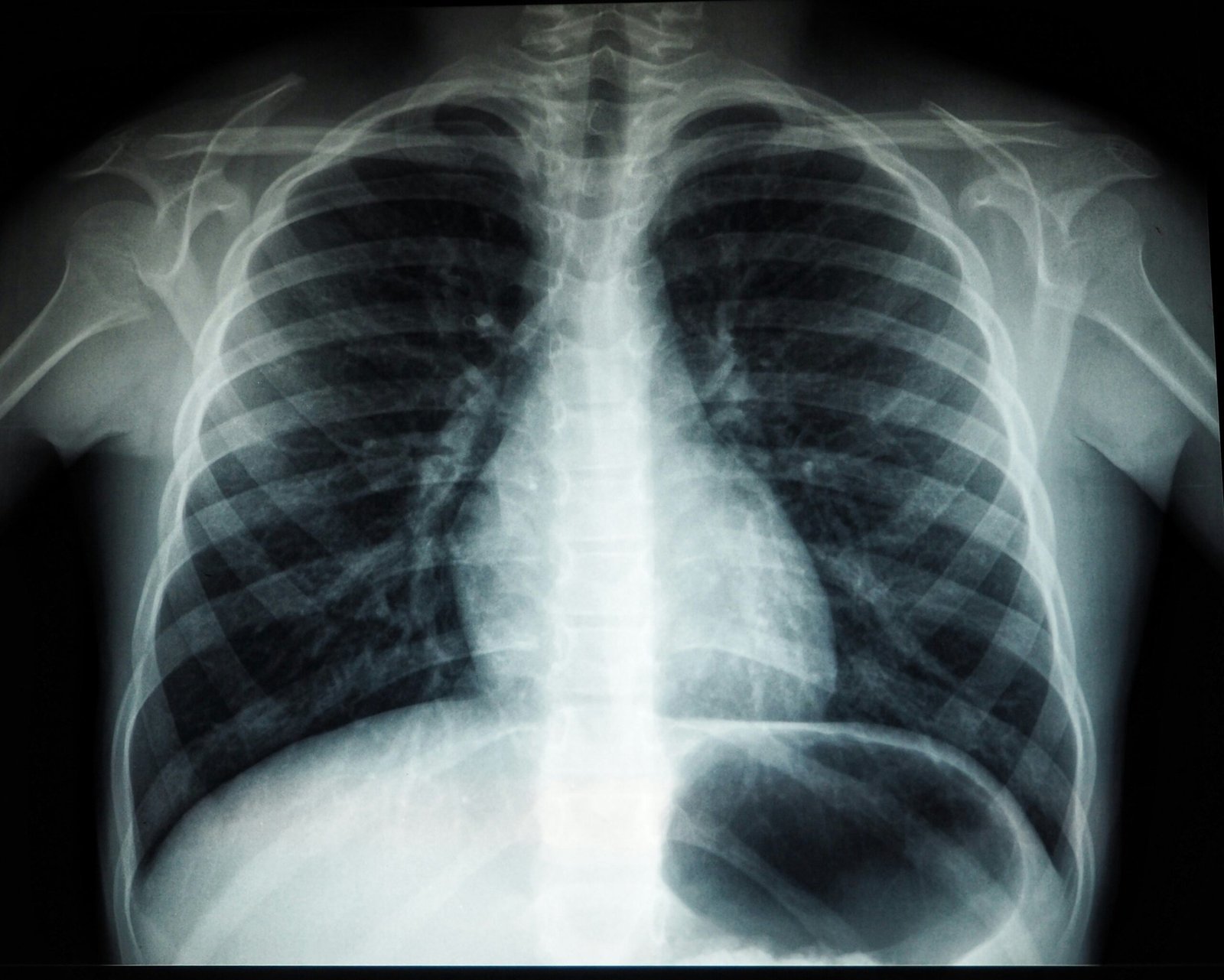
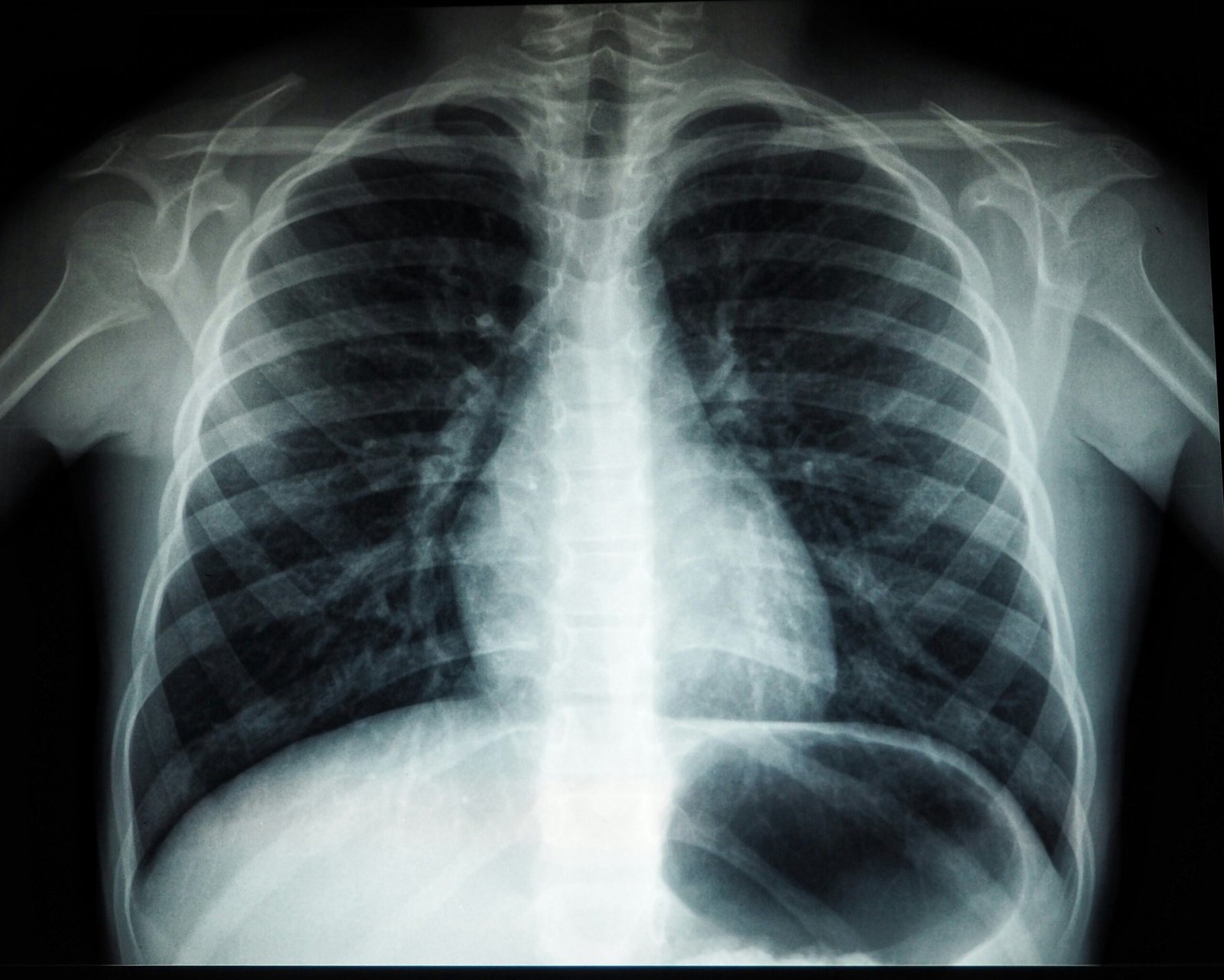
    Chest X-ray illustrating the lungs, rib cage, and heart, relevant to pulmonary fibrosis diagnosis

    What Causes It, and Who Is at Risk?

    Several factors are associated with a higher risk of developing pulmonary fibrosis, though having one of these does not mean a person will definitely develop the condition:

    • Age: It is most commonly diagnosed in people over 50
    • Smoking history: Current or former smokers are at higher risk
    • Occupational exposure: Long-term contact with wood dust, stone or metal dust, textile fibers, or certain chemical fumes, which is relevant for many workers in Pakistan’s construction, textile, and manufacturing sectors
    • Autoimmune conditions: Diseases such as rheumatoid arthritis or scleroderma can involve lung scarring as a complication
    • Family history: A small proportion of cases run in families
    • Previous severe lung infections, including a history of tuberculosis or severe pneumonia, which can occasionally leave lasting scarring

    How Doctors Diagnose Pulmonary Fibrosis

    Because its symptoms overlap with asthma, COPD, tuberculosis, and heart conditions, pulmonary fibrosis is frequently diagnosed later than it should be. Reaching an accurate diagnosis usually involves a combination of steps rather than a single test:

    1. A detailed history and physical examination, including listening to the lungs for the characteristic crackling sound
    2. A high-resolution CT scan of the chest, which is currently the most informative imaging tool for spotting the pattern of scarring
    3. Pulmonary function tests to measure how much air the lungs can hold and how efficiently oxygen is absorbed
    4. Blood tests to rule out autoimmune or connective tissue disease as an underlying cause
    5. In some cases, a lung biopsy, if imaging and other tests do not give a clear enough picture

    Because pulmonary fibrosis can resemble other respiratory conditions so closely, getting the diagnosis right often depends on ruling things out as much as confirming what’s present. Objective, reproducible lung-health testing has become an increasingly important part of this process — the kind of structured, evidence-based testing used across a range of clinical applications in respiratory medicine, helping doctors distinguish inflammatory airway conditions like asthma from the very different, scarring-based process seen in pulmonary fibrosis.

    Living Well with Pulmonary Fibrosis

    There is currently no cure that reverses lung scarring, but a pulmonary fibrosis diagnosis is not the end of an active life. Many patients manage their symptoms well for years with the right combination of medical care and lifestyle adjustments. Some practical steps that help:

    • Stay away from smoke and pollutants: Avoid cigarette smoke, secondhand smoke, and, where possible, limit outdoor activity on heavily polluted days common in cities like Lahore and Karachi
    • Keep up with vaccinations: Annual flu shots and pneumonia vaccination, as advised by your doctor, reduce the risk of infections that can worsen lung function
    • Pulmonary rehabilitation: Supervised breathing exercises and gentle physical conditioning can improve stamina and day-to-day comfort
    • Nutrition: Maintaining a healthy weight supports breathing muscles and overall energy levels
    • Regular follow-up: Routine check-ins with a pulmonologist help track how the condition is progressing and adjust treatment as needed
    • Emotional support: Living with a chronic lung condition can be stressful for patients and caregivers alike — connecting with support groups or counseling can make a real difference

    When to See a Doctor

    If you or a family member has had an unexplained dry cough or breathlessness for more than a few weeks — especially alongside fatigue or weight loss — it’s worth getting evaluated by a doctor rather than assuming it will pass on its own. Early evaluation gives doctors the best chance to identify the underlying cause and start managing it before more lung function is lost.

    This article is meant for general awareness and is not a substitute for professional medical advice. Please consult a qualified pulmonologist or your family doctor for diagnosis and treatment tailored to your specific situation.

  • Asthma Myths vs. Facts: What Every Pakistani Parent Should Know

    In many Pakistani households, a child who wheezes during smog season or gets breathless while playing cricket is often described as having “weak lungs” rather than asthma. Others believe asthma is something children simply grow out of, or that inhalers are a last resort meant only for the most severe cases. These beliefs are common, passed down through families and word-of-mouth advice — and many of them are simply not true.

    Asthma is one of the most common chronic conditions affecting both children and adults across Pakistan, yet misunderstandings about it continue to delay diagnosis, discourage proper treatment, and leave many families managing the condition poorly. Separating myth from fact can make a real difference in how confidently a family approaches asthma and how well it stays controlled.

    Stethoscope representing a respiratory health checkup

    Why Asthma Myths Spread So Easily

    Part of the reason asthma myths persist is that the condition looks different from person to person. Some people experience frequent, obvious wheezing, while others have little more than a persistent nighttime cough with no wheeze at all. Because symptoms vary and can come and go, it is easy for misconceptions passed down through families, or picked up from a pharmacist or neighbour, to fill the gaps left by uncertainty. Limited access to specialists in some areas, combined with a reliance on self-diagnosis, adds to the confusion.

    Common Myths — and What’s Actually True

    Here are some of the most common asthma myths circulating in Pakistani households, along with what current medical understanding actually tells us:

    • Myth: Asthma is contagious. Fact: Asthma is a chronic inflammatory condition of the airways, not an infection. It cannot be caught from another person, even one who is actively wheezing or coughing.
    • Myth: Children always outgrow asthma. Fact: Some children do see symptoms lessen as they grow, particularly through puberty, but many carry some degree of airway sensitivity into adulthood. Regular follow-up with a doctor, not assumption, is the only way to know.
    • Myth: Inhalers are addictive or should only be used during a severe attack. Fact: Preventer (controller) inhalers work by reducing airway inflammation over time and are meant to be used daily as prescribed, not just during flare-ups. They are not addictive, and skipping them often makes asthma harder to control.
    • Myth: Asthma only affects breathing during exercise. Fact: While exertion can trigger symptoms, asthma is just as commonly triggered by dust, smoke, smog, cold air, strong scents, a common cold, or even emotional stress.
    • Myth: A child who “just has a cough” doesn’t have asthma. Fact: A persistent dry cough, especially at night or early morning, can be the only noticeable symptom of asthma in some children, even without any audible wheeze.
    • Myth: Home remedies like steam or herbal mixtures can replace prescribed treatment. Fact: These may offer some temporary comfort but do not reduce the underlying airway inflammation, and should never replace medication prescribed by a doctor.

    How Doctors Actually Diagnose and Monitor Asthma

    Because asthma symptoms can be subjective and easily confused with other respiratory conditions, doctors rely on more than a physical exam and patient history to confirm a diagnosis. Spirometry, a breathing test that measures how much and how quickly air moves in and out of the lungs, remains one of the most established tools. Increasingly, doctors also use non-invasive tests that measure airway inflammation directly, since inflammation sits at the root of asthma. Our page explaining what FeNO testing is used for goes into more detail on how this kind of test complements spirometry, helping doctors confirm an asthma diagnosis, choose the right treatment, and track whether current medication is actually keeping airway inflammation under control over time.

    Signs Asthma Isn’t Well Controlled

    It is worth learning to recognise the signs that asthma may not be as well managed as it should be, rather than assuming that occasional symptoms are simply “normal” for the condition:

    • Using a reliever (rescue) inhaler more than twice a week, outside of exercise.
    • Waking up at night due to coughing, wheezing, or breathlessness.
    • Needing to limit normal activities, play, or school attendance because of symptoms.
    • Frequent visits to a doctor or emergency room for breathing difficulty.
    • Needing to refill a reliever inhaler far more often than a preventer inhaler.

    If any of these sound familiar, it is worth scheduling a review with your doctor rather than adjusting the treatment plan on your own.

    Practical Tips for Families Managing Asthma

    1. Keep a written or phone-based record of symptoms, triggers, and inhaler use to share with your doctor.
    2. Identify and reduce exposure to known triggers at home, such as dust, pet dander, incense smoke, or mold in damp rooms.
    3. Make sure preventer inhalers are used consistently, even when the child or family member feels completely well.
    4. Learn correct inhaler technique together as a family — many children and adults use inhalers incorrectly, which reduces how much medication actually reaches the lungs.
    5. Ask your doctor for a written asthma action plan outlining what to do as symptoms worsen.

    Understanding the difference between asthma myths and facts does not just clear up confusion — it changes outcomes. Children and adults whose asthma is properly recognised and consistently treated are far more likely to sleep through the night, keep up with school or work, and avoid frightening emergency visits. This article is intended for general awareness only and does not replace a proper medical evaluation; if you suspect asthma in yourself or a family member, please consult a qualified doctor for an accurate diagnosis and a treatment plan suited to your specific situation.