In many Pakistani households, a family member’s cigarette or an evening shisha session with friends feels harmless enough — something that stays in one room, or ends when the smoke clears. But the air carrying that smoke doesn’t stay contained, and the lungs breathing it in don’t distinguish between “my smoke” and “someone else’s.” Secondhand smoke and shisha vapor are two of the most underestimated threats to respiratory health in homes across Lahore, Karachi, Islamabad, and beyond — and children, pregnant women, and anyone with an existing lung condition pay the highest price.
Why Secondhand Smoke Is More Than a Nuisance
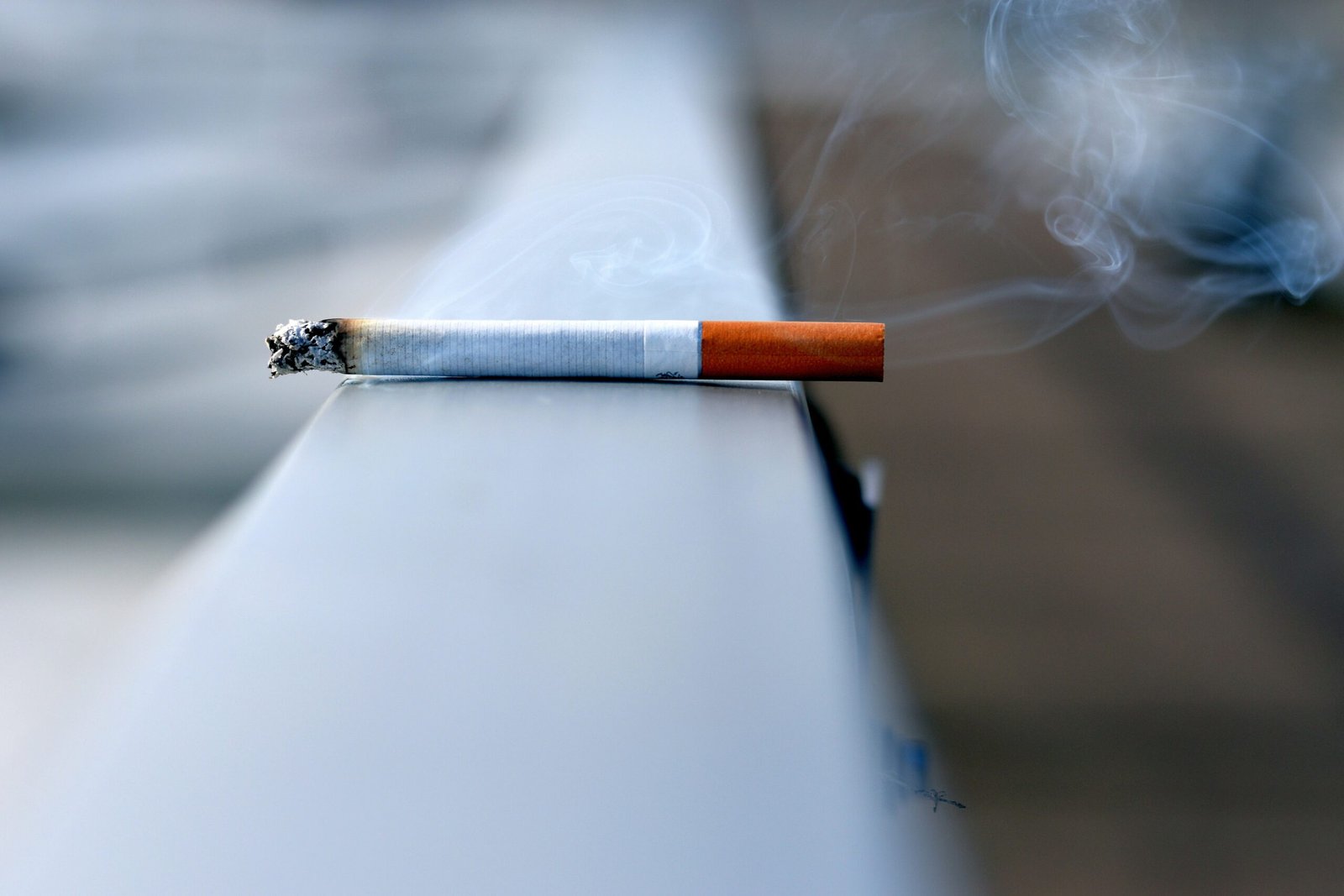
Secondhand smoke is the combination of smoke exhaled by a smoker and the smoke that burns off the end of a cigarette, bidi, or hookah coal. It contains many of the same irritants found in smoke inhaled directly, and there is no truly “safe” level of exposure to it — a point well established in general medical literature. Even brief, occasional exposure can irritate the lining of the airways, trigger coughing, and worsen symptoms in anyone whose airways are already sensitive, such as people living with asthma.
In a typical Pakistani home, this exposure often happens quietly: a father smoking near an open window while the rest of the family sleeps, a grandparent lighting up on the veranda, or smoke drifting in from a neighboring house or street-side dhaba. Because it isn’t a visible “attack” the way smog or dust is, it’s easy to underestimate how much of it a child or an elderly relative is actually breathing in over weeks and months.
The Shisha Myth: “It’s Just Flavored Water”
Shisha (hookah) has become a popular evening activity at cafes and homes in many Pakistani cities, often seen as a gentler, more social alternative to cigarettes. The water bowl gives the impression that the smoke is somehow filtered or cooled into something harmless. In reality, the water cools the smoke but does not remove the harmful substances produced when tobacco and charcoal burn.
A typical shisha session also tends to last much longer than smoking a single cigarette, which means a longer stretch of exposure for everyone sharing the room — including people who aren’t smoking the pipe themselves. The charcoal used to heat the tobacco adds its own combustion byproducts to the air, on top of whatever comes from the tobacco mixture itself. For bystanders, especially in an enclosed room with poor ventilation, this can add up to a meaningful amount of secondhand exposure over an evening.
Who Is Most at Risk
Children and Infants
Children’s airways are smaller and still developing, and they breathe faster than adults, so they take in more smoke relative to their body size in the same smoky room. Repeated exposure in early childhood is associated with more frequent coughs, chest infections, and a higher chance of wheezing episodes, and can make existing asthma harder to control.
Pregnant Women
Exposure to secondhand smoke during pregnancy is generally discouraged by obstetric guidance, since it may affect the growing baby. Expecting mothers in smoking households should feel comfortable asking family members to step outside or smoke away from shared living spaces.
People With Asthma, COPD, or Other Lung Conditions
For someone whose airways are already inflamed or narrowed — whether from asthma, COPD, or a history of pulmonary fibrosis — secondhand smoke is a well-known trigger that can bring on coughing fits, shortness of breath, or a flare-up that lands them back in the doctor’s office or, in more severe cases, the emergency room.
Warning Signs Your Lungs May Be Reacting to Smoke Exposure
You don’t have to be the one smoking to notice the effects. Watch for these signs in yourself, your children, or elderly family members who regularly share space with a smoker:
- A persistent or recurring dry cough, especially at night or first thing in the morning
- Eyes, nose, or throat that feel irritated after being in a smoky room
- Headaches or a feeling of heaviness after an evening of shisha or exposure to smoke
- More frequent colds, chest infections, or ear infections in young children
- Worsening of existing asthma symptoms — more wheezing, more reliever inhaler use, or disturbed sleep
- Noticeable breathlessness during activities that didn’t used to cause it
None of these signs confirm a diagnosis on their own, but a pattern that keeps repeating is worth mentioning to a doctor rather than dismissing as “just the weather” or “just a cold.”
Practical Ways to Protect Your Family
You don’t need a confrontation to reduce exposure at home. Small, consistent changes make a real difference:
- Make the home and car smoke-free zones — smoking outside, away from doors and windows, reduces how much drifts back indoors.
- Avoid smoking or shisha sessions in rooms where children sleep or spend most of their time, even with a fan or air freshener running.
- If shisha is part of a social gathering, hold it outdoors or on an open terrace rather than in an enclosed sitting room.
- Ventilate rooms well — open windows and use exhaust fans during and after any smoking indoors.
- Encourage family members who smoke to consider quitting; even cutting down, combined with smoking outdoors, reduces household exposure.
- Be mindful of exposure at relatives’ homes, weddings, and family gatherings where shisha is often shared freely among younger adults.
When to See a Doctor
If a child or adult in your home has a cough that won’t settle, frequent chest infections, or breathing difficulty that seems to track with smoke exposure, it’s worth getting checked rather than waiting it out. A doctor may examine the airways with simple tools such as spirometry, and in some clinics a FeNO (Fractional exhaled Nitric Oxide) breath test is used alongside these assessments to check for airway inflammation — a useful way to see, objectively, whether ongoing irritant exposure like smoke is contributing to inflamed airways, and to track whether things improve once exposure is reduced.
This article is for general awareness and is not a substitute for medical advice. If you or a family member has ongoing respiratory symptoms, please consult a qualified doctor for proper diagnosis and treatment.
The Bottom Line
Secondhand smoke and shisha vapor don’t announce themselves the way smog or dust storms do, which makes it easy to overlook how much they add to a family’s daily breathing load. The good news is that unlike outdoor air pollution, this is one lung-health risk a household has real control over — a few consistent habits around where and how smoking happens can meaningfully lower everyone’s exposure, especially for the children and elders who share that air every day.
Leave a Reply