A persistent cough that “just won’t go away,” feeling more winded than usual on the stairs, or needing to stop and catch your breath while doing chores you used to manage easily — these are the kinds of symptoms many people in Pakistan quietly live with for years before ever mentioning them to a doctor. Often, they are dismissed as a normal part of aging, the after-effects of a cold, or simply “weak lungs.” In reality, they can be the earliest signs of Chronic Obstructive Pulmonary Disease, or COPD — a condition that is far more common than most families realize, and one where early recognition makes a real difference.
This article walks through what COPD is, the warning signs to watch for, who is most at risk, and why catching it early — rather than waiting until breathing becomes a daily struggle — matters so much.

What Is COPD, Exactly?
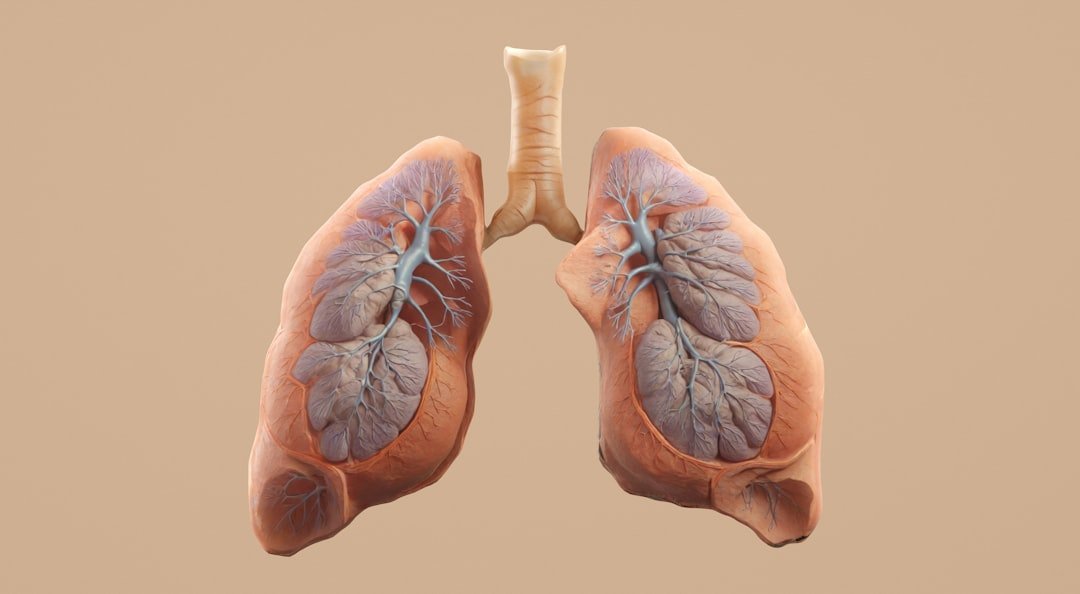
COPD is an umbrella term for a group of progressive lung diseases, most commonly chronic bronchitis and emphysema, that make it harder to breathe over time. In chronic bronchitis, the airways become inflamed and produce excess mucus, leading to a persistent cough. In emphysema, the tiny air sacs in the lungs lose their elasticity and break down, which reduces the surface area available for oxygen to pass into the bloodstream. Many people with COPD have a mix of both.
Unlike asthma, which often involves airway narrowing that can be reversed with treatment, the airflow limitation in COPD tends to be persistent and, in most cases, cannot be fully reversed. This is exactly why catching it early is so valuable: while COPD cannot usually be cured, its progression can often be slowed considerably with the right treatment, lifestyle changes, and avoidance of triggers.
Early Warning Signs of COPD
COPD tends to develop slowly, often over many years, which is part of why it is so easy to miss in its early stages. People frequently adjust their lifestyle without realizing it — taking the lift instead of the stairs, walking a little slower, or simply assuming they are “just getting older.” Some of the earliest and most telling signs include:
- A cough that lasts for weeks or months, especially one that produces mucus, sometimes referred to as a “smoker’s cough.”
- Shortness of breath during activities that did not used to cause it, such as climbing a flight of stairs or carrying groceries.
- Wheezing or a whistling sound when breathing, particularly during physical exertion.
- A feeling of tightness in the chest.
- Frequent chest infections or colds that seem to “settle in the chest” and take longer than usual to clear.
- Reduced stamina or unusual fatigue during everyday tasks.
Any one of these on its own is not necessarily a cause for alarm, but a combination of several, especially if they are gradually getting worse, is worth discussing with a doctor rather than waiting it out.
Who Is Most at Risk in Pakistan?
Globally, cigarette smoking is the leading cause of COPD, and this holds true in Pakistan as well. However, several other exposures common across the country add substantially to the risk:
- Long-term exposure to biomass fuel smoke from cooking with wood, dung, or crop residue, which particularly affects women in rural households who spend hours near open stoves.
- Years of exposure to heavy outdoor air pollution, a growing concern in cities such as Lahore, Karachi, Peshawar, and Islamabad during smog season.
- Occupational dust and fume exposure, including in construction, textile work, and traffic-heavy jobs.
- A history of childhood respiratory infections or poorly controlled asthma, which can leave the airways more vulnerable later in life.
Because indoor and outdoor air pollution play such a large role locally, COPD in Pakistan is not only a disease of older smokers — it also affects lifelong non-smokers, particularly women who have spent decades cooking over open flames in poorly ventilated kitchens.
Why Early Diagnosis Matters
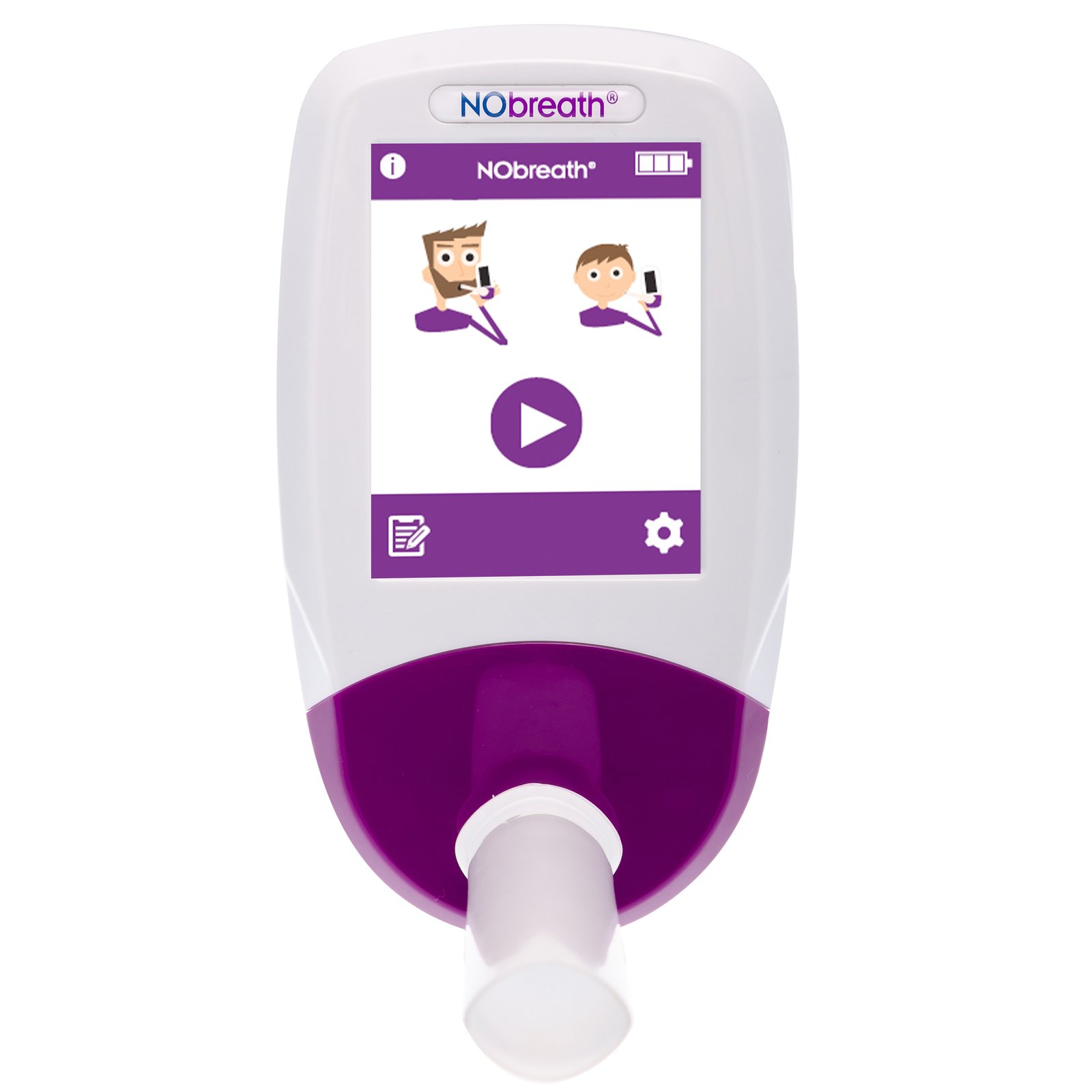
One of the challenges doctors face with COPD is that it can sometimes overlap with, or be mistaken for, asthma — a condition driven more directly by airway inflammation. Because the two conditions are managed somewhat differently, getting an accurate picture matters. This is one of the reasons pulmonologists increasingly rely on objective diagnostic tools rather than symptoms alone. For instance, non-invasive tests that measure airway inflammation are used in a range of clinical applications to help distinguish asthma-type inflammation from other causes of breathlessness, allowing doctors to tailor treatment more precisely instead of relying on trial and error.
A doctor will typically confirm a COPD diagnosis using a breathing test called spirometry, along with a review of your symptoms, smoking history, and occupational or environmental exposures. Catching the disease at an earlier stage generally means more treatment options, better preservation of lung function, and a greater chance of maintaining an active, independent lifestyle for longer.
COPD and Sleep: An Overlooked Connection
Something many families don’t realize is how closely chronic lung conditions and sleep are linked. People with COPD often experience lower oxygen levels at night, and it is fairly common for COPD to coexist with obstructive sleep apnea — a condition where breathing repeatedly stops and starts during sleep due to a blocked airway. When both occur together, doctors sometimes refer to it as “overlap syndrome,” and it can leave a person feeling exhausted even after a full night in bed, while also placing extra strain on the heart and lungs. If you or a family member snores heavily, gasps for air during sleep, or wakes up feeling unrefreshed despite adequate hours of rest, it is worth raising with your doctor alongside any COPD symptoms. Sister company CPAP.pk is a useful resource for learning more about sleep apnea screening and CPAP therapy equipment for those who may need support managing sleep-disordered breathing alongside a chronic lung condition.
Practical Steps If You Recognize These Signs
If any of the warning signs above sound familiar, consider taking these steps:
- Keep a simple diary of your symptoms for one to two weeks, noting when breathlessness or coughing gets worse.
- Schedule an appointment with a physician or pulmonologist rather than waiting for symptoms to become severe.
- If you smoke, ask your doctor about support for quitting — it remains the single most effective step for slowing COPD progression.
- Try to reduce exposure to biomass smoke and outdoor pollution where possible, such as improving kitchen ventilation or using a well-fitted mask on high-pollution days.
- Stay up to date on recommended vaccinations, such as the annual flu vaccine, since respiratory infections can significantly worsen COPD.
Living Well With COPD
A COPD diagnosis is not the end of an active life. With appropriate medication, pulmonary rehabilitation, avoidance of triggers, and regular follow-up, many people continue to work, travel, and enjoy time with family for years after diagnosis. The key difference between those who manage well and those who struggle is often simply how early the condition was recognized and how consistently it is managed afterward.
If you have noticed a persistent cough, unusual breathlessness, or reduced stamina in yourself or a loved one, please do not wait for symptoms to become severe before seeking medical advice. This article is intended for general awareness and is not a substitute for professional medical evaluation — a qualified doctor can assess your specific symptoms, risk factors, and history, and recommend the right tests and treatment plan for you.