For many Pakistani children and teenagers, a cough, tight chest, or sudden breathlessness during a cricket match, a run around the school ground, or a brisk walk home isn’t just “being unfit” — it can be exercise-induced bronchoconstriction, often called exercise-induced asthma. It is one of the most common reasons active kids quietly start avoiding sports, and with the right diagnosis and a simple management plan, there is rarely a need for a child to sit on the sidelines at all.
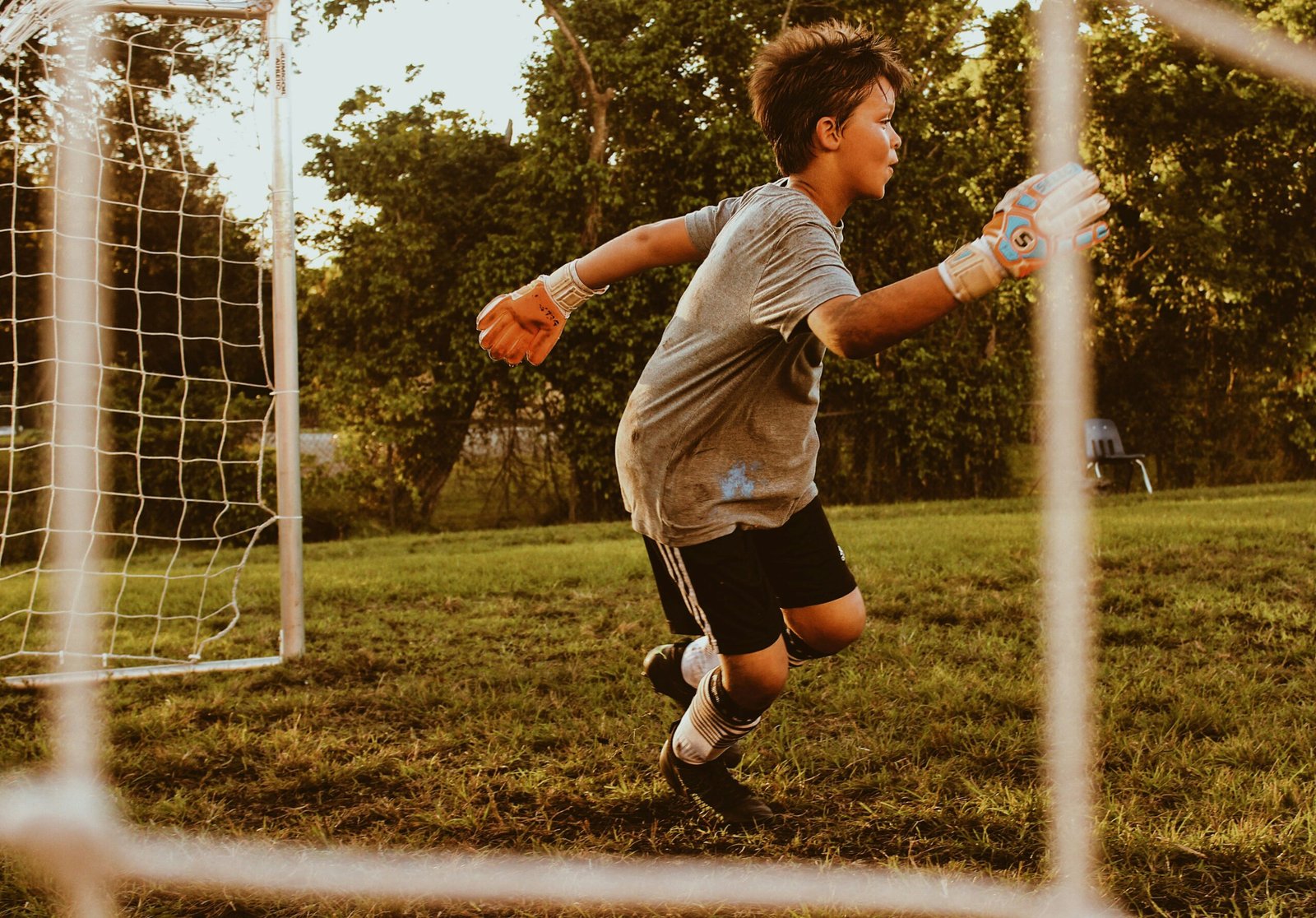
What Is Exercise-Induced Asthma, Exactly?
When you exercise, you breathe faster and through your mouth, which means the air reaching your airways is drier and cooler than usual. In most people this is harmless. But in someone with sensitive, asthma-prone airways, that rapid cooling and drying can trigger the muscles around the airways to tighten — a process called bronchoconstriction — making it harder to move air in and out of the lungs.
This can happen in children who already have diagnosed asthma, but it can also be the very first clue that a child has asthma at all, since some kids have few symptoms at rest and only struggle once they start running, cycling, or playing a full match.
Why This Matters More in Pakistan
A few local realities make exercise-induced asthma a particularly common concern for families here. School sports, gully cricket, and PE classes often happen outdoors in the late afternoon or early evening, right when dust, vehicle exhaust, and — during autumn and winter — smog levels can be at their worst. Dry, dusty air combined with physical exertion is exactly the combination that tends to set off airway tightening. On top of that, many children with mild asthma go undiagnosed for years because their only symptom is “getting tired faster than the other kids,” which is easy to dismiss as low fitness rather than a treatable airway condition.
Warning Signs Parents and Coaches Should Watch For
Exercise-induced symptoms usually appear within five to twenty minutes of starting physical activity, and sometimes a few minutes after stopping. Look out for:
- Coughing that starts during or shortly after exercise, especially a dry cough
- Wheezing or a whistling sound while breathing out
- Chest tightness or a feeling of not being able to “get a full breath”
- Getting unusually breathless compared to teammates of similar fitness
- Avoiding sports, games, or stairs without a clear explanation
- Symptoms that are noticeably worse on hot, cold, dry, or high-pollution days
If a child regularly needs to stop and catch their breath well before their peers do, it is worth mentioning to a doctor rather than putting it down to needing “more practice.”
How Doctors Confirm the Diagnosis
Because the symptoms only show up with activity, exercise-induced asthma can be tricky to catch during a normal clinic visit where the child is sitting calmly. Doctors typically start with a detailed history of when symptoms occur, then may use lung function tests such as spirometry, sometimes paired with an exercise or exertion challenge, to see how the airways respond to physical activity.
Many clinicians also use FeNO (Fractional exhaled Nitric Oxide) testing alongside these assessments, since it measures airway inflammation directly through a simple breath test. For a child whose only clue is breathlessness during sports, a raised FeNO reading can support an asthma diagnosis even when a resting lung function test looks normal, and it gives the doctor an objective way to check, over time, whether treatment is actually calming the underlying inflammation.
Helping Kids Stay Active and Safe
The goal is almost never to stop a child from playing sports — regular physical activity is genuinely good for lung health and overall development. Instead, the focus is on managing triggers sensibly:
- Warm up gradually for 10–15 minutes before intense activity; this can reduce the severity of airway tightening.
- Follow the doctor’s prescribed plan, which may include a reliever inhaler used shortly before exercise.
- Avoid outdoor practice during peak smog hours or very high pollution days; shift sessions indoors or to early morning where possible.
- Breathe through the nose when possible during warm-ups, since it warms and humidifies air better than mouth breathing.
- Keep a rescue inhaler accessible at practice and matches, and make sure coaches and teachers know how to recognize symptoms.
- Treat other triggers, such as allergic rhinitis or reflux, since untreated allergies can make exercise-related symptoms worse.
When to See a Doctor Promptly
Most exercise-related breathlessness in children is manageable once properly assessed, but certain patterns deserve a prompt medical review rather than a wait-and-see approach: symptoms that are getting more frequent or severe, breathlessness that does not ease within a few minutes of stopping activity and resting, blue-tinged lips or fingertips, or a child who seems frightened or exhausted out of proportion to the activity. These are signs to seek medical attention without delay.
The Bottom Line
A child who struggles to breathe during sports is not necessarily unfit — they may have airways that react to exercise, dust, and changing weather, which is a very treatable condition once it is correctly identified. With a proper diagnosis, the right inhaler technique, and some sensible adjustments around outdoor air quality, most children with exercise-induced asthma can keep playing the sports they love. If your child shows any of the warning signs above, consider discussing lung function or airway inflammation testing with their doctor — you can read more about how this kind of testing fits into asthma care on our clinical applications page, or get in touch to learn more about FeNO testing for your clinic or child.
This article is for general educational purposes and is not a substitute for professional medical advice. Please consult your doctor for diagnosis and treatment specific to your child’s situation.
Leave a Reply