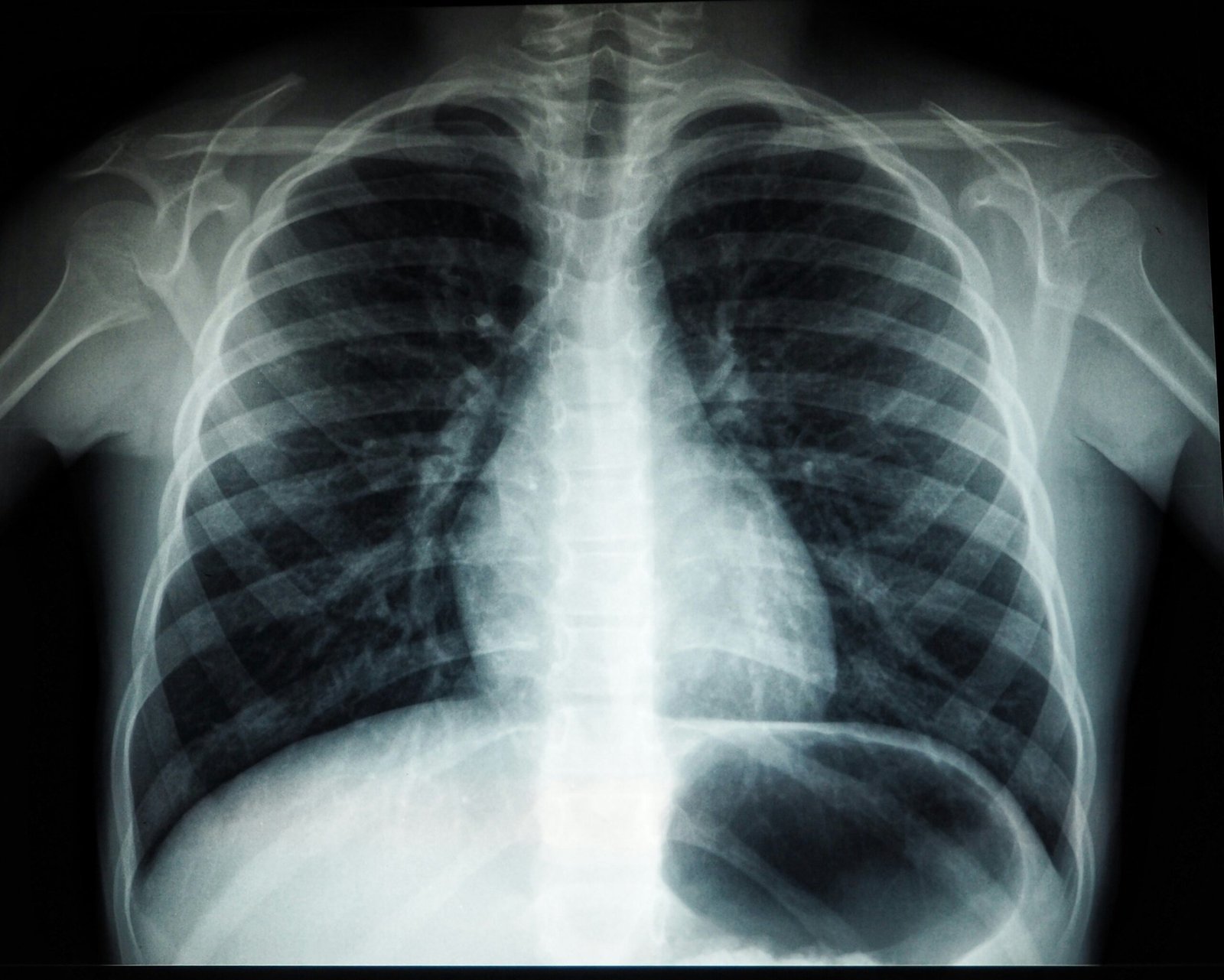
When most people think about lung disease in Pakistan, asthma and COPD usually come to mind first. But there is another condition that quietly affects breathing in a very different way — pulmonary fibrosis. It is less commonly discussed, often misdiagnosed in its early stages, and can be confusing for patients and families who are told that the lungs are “scarring.” This post breaks down what pulmonary fibrosis actually is, the early signs to watch for, and how patients in Pakistan can get an accurate diagnosis and live well with the condition.
What Is Pulmonary Fibrosis?
Pulmonary fibrosis is a condition in which the tissue deep inside the lungs becomes thickened, stiff, and scarred over time. Healthy lung tissue is soft and elastic, which lets it expand and contract easily with every breath. When scar tissue builds up, the lungs lose that flexibility, making it progressively harder for oxygen to pass from the air sacs into the bloodstream.
Unlike asthma or COPD, where airways are typically narrowed or inflamed, pulmonary fibrosis mainly affects the lung tissue itself. In many cases, doctors cannot identify a single clear cause — this is called idiopathic pulmonary fibrosis (IPF). In other cases, it develops as a result of autoimmune disease, long-term exposure to certain dusts or chemicals, some medications, or as a lingering effect after severe lung infections.
Early Warning Signs to Watch For
Pulmonary fibrosis tends to develop slowly, which means early symptoms are often brushed aside as general tiredness or “getting older.” Paying attention to these changes early can make a real difference in how soon a patient gets properly evaluated:
- A dry, persistent cough that does not improve with usual cough syrups or antibiotics
- Shortness of breath that starts with exertion — climbing stairs, walking briskly, or carrying groceries — and gradually appears even at rest
- Unusual fatigue or low energy that doesn’t match the person’s activity level
- Unintentional weight loss over several months
- Widening or rounding of the fingertips and nails, known as “clubbing,” which can appear in longer-standing cases
- A dry, crackling sound in the lungs that a doctor may hear through a stethoscope, often compared to the sound of Velcro being pulled apart
None of these signs on their own confirm pulmonary fibrosis — they overlap with many other chest conditions — but a cough or breathlessness that lingers for more than a few weeks is always worth discussing with a doctor rather than waiting it out.
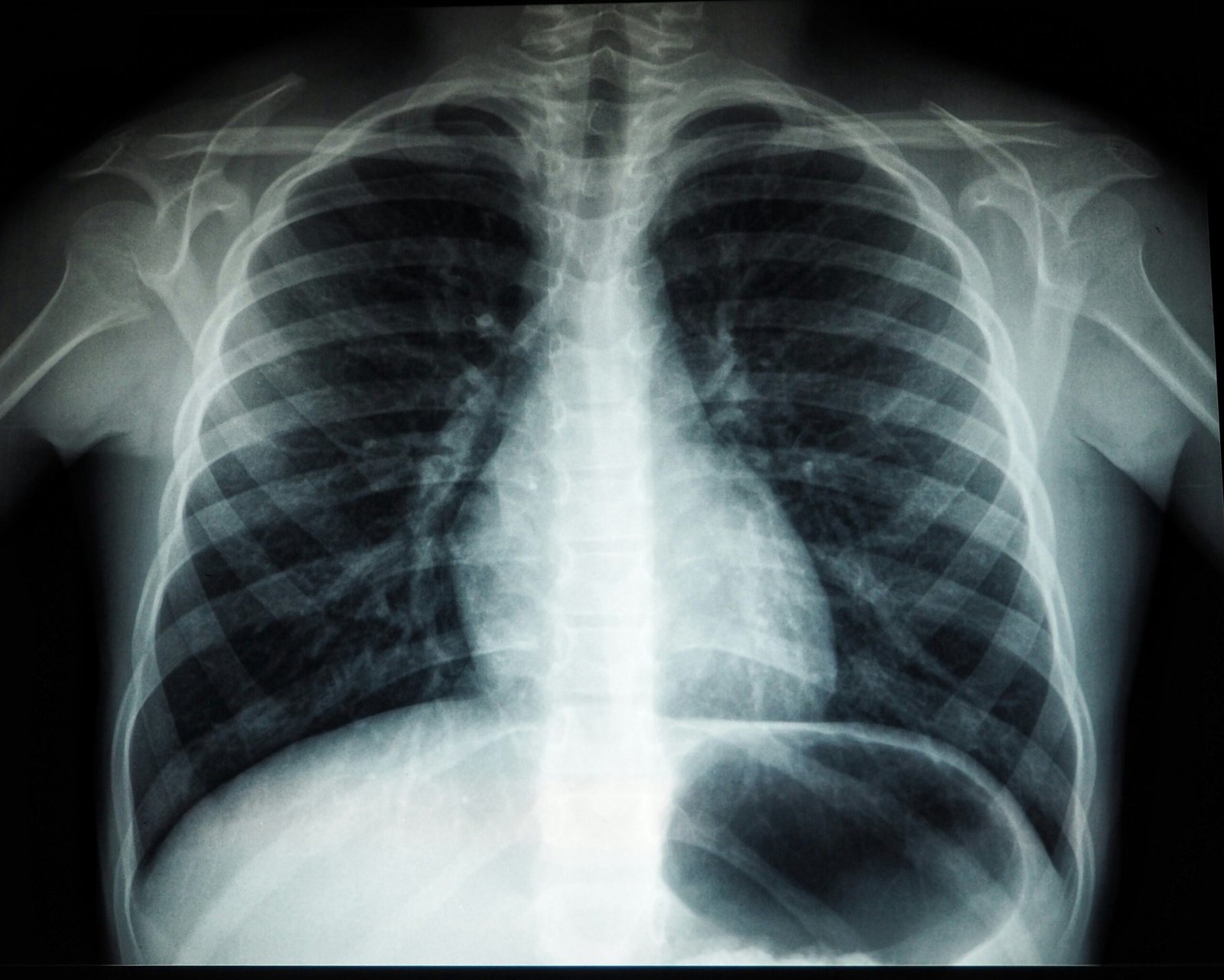
What Causes It, and Who Is at Risk?
Several factors are associated with a higher risk of developing pulmonary fibrosis, though having one of these does not mean a person will definitely develop the condition:
- Age: It is most commonly diagnosed in people over 50
- Smoking history: Current or former smokers are at higher risk
- Occupational exposure: Long-term contact with wood dust, stone or metal dust, textile fibers, or certain chemical fumes, which is relevant for many workers in Pakistan’s construction, textile, and manufacturing sectors
- Autoimmune conditions: Diseases such as rheumatoid arthritis or scleroderma can involve lung scarring as a complication
- Family history: A small proportion of cases run in families
- Previous severe lung infections, including a history of tuberculosis or severe pneumonia, which can occasionally leave lasting scarring
How Doctors Diagnose Pulmonary Fibrosis
Because its symptoms overlap with asthma, COPD, tuberculosis, and heart conditions, pulmonary fibrosis is frequently diagnosed later than it should be. Reaching an accurate diagnosis usually involves a combination of steps rather than a single test:
- A detailed history and physical examination, including listening to the lungs for the characteristic crackling sound
- A high-resolution CT scan of the chest, which is currently the most informative imaging tool for spotting the pattern of scarring
- Pulmonary function tests to measure how much air the lungs can hold and how efficiently oxygen is absorbed
- Blood tests to rule out autoimmune or connective tissue disease as an underlying cause
- In some cases, a lung biopsy, if imaging and other tests do not give a clear enough picture
Because pulmonary fibrosis can resemble other respiratory conditions so closely, getting the diagnosis right often depends on ruling things out as much as confirming what’s present. Objective, reproducible lung-health testing has become an increasingly important part of this process — the kind of structured, evidence-based testing used across a range of clinical applications in respiratory medicine, helping doctors distinguish inflammatory airway conditions like asthma from the very different, scarring-based process seen in pulmonary fibrosis.
Living Well with Pulmonary Fibrosis
There is currently no cure that reverses lung scarring, but a pulmonary fibrosis diagnosis is not the end of an active life. Many patients manage their symptoms well for years with the right combination of medical care and lifestyle adjustments. Some practical steps that help:
- Stay away from smoke and pollutants: Avoid cigarette smoke, secondhand smoke, and, where possible, limit outdoor activity on heavily polluted days common in cities like Lahore and Karachi
- Keep up with vaccinations: Annual flu shots and pneumonia vaccination, as advised by your doctor, reduce the risk of infections that can worsen lung function
- Pulmonary rehabilitation: Supervised breathing exercises and gentle physical conditioning can improve stamina and day-to-day comfort
- Nutrition: Maintaining a healthy weight supports breathing muscles and overall energy levels
- Regular follow-up: Routine check-ins with a pulmonologist help track how the condition is progressing and adjust treatment as needed
- Emotional support: Living with a chronic lung condition can be stressful for patients and caregivers alike — connecting with support groups or counseling can make a real difference
When to See a Doctor
If you or a family member has had an unexplained dry cough or breathlessness for more than a few weeks — especially alongside fatigue or weight loss — it’s worth getting evaluated by a doctor rather than assuming it will pass on its own. Early evaluation gives doctors the best chance to identify the underlying cause and start managing it before more lung function is lost.
This article is meant for general awareness and is not a substitute for professional medical advice. Please consult a qualified pulmonologist or your family doctor for diagnosis and treatment tailored to your specific situation.
Leave a Reply