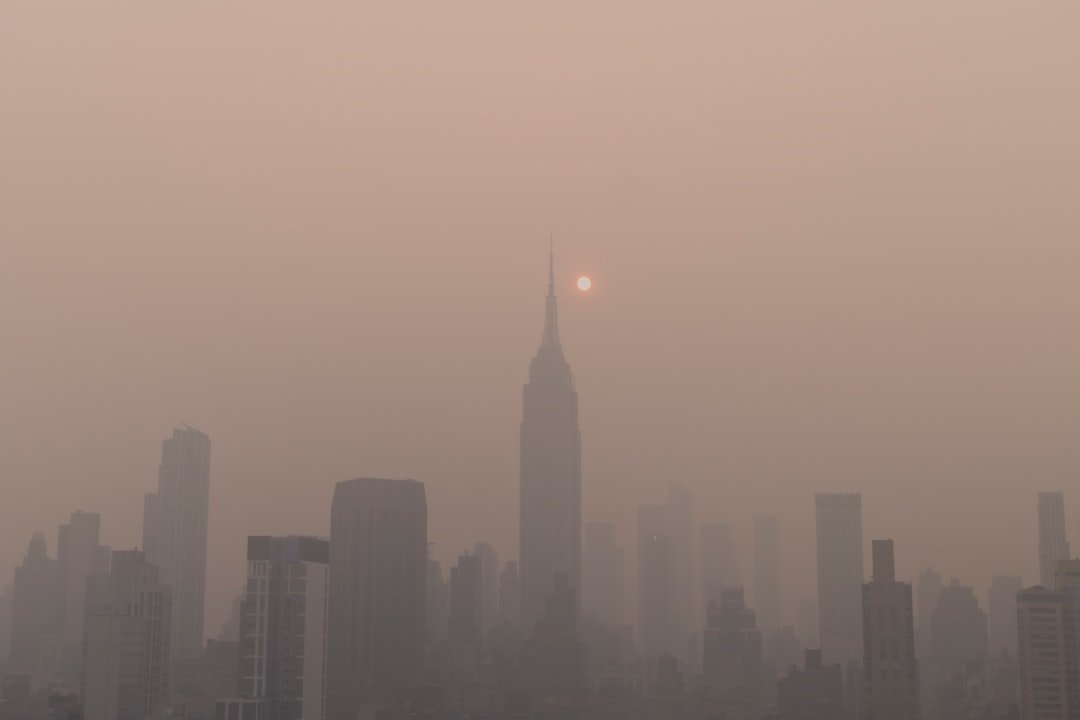
As smog season approaches in Lahore, Karachi, Islamabad, and Peshawar, hospitals across Pakistan see a predictable rise in patients with coughing, wheezing, and breathlessness. The connection between the haze hanging over our cities and what’s happening inside our lungs is direct, and it’s worth understanding — especially if you or someone in your family already lives with asthma or another chronic lung condition.
Why Smog Hits Your Lungs So Hard
Smog is a mix of fine particulate matter (PM2.5), ground-level ozone, vehicle and industrial emissions, and — especially in Punjab during autumn — smoke from crop residue burning. PM2.5 particles are small enough to travel deep into the lungs and even cross into the bloodstream. When you breathe them in, your airways respond the way they would to any irritant: they become inflamed, produce more mucus, and narrow slightly. For someone with healthy lungs, this might mean a scratchy throat or mild fatigue. For someone with asthma, COPD, or another chronic airway condition, it can trigger a full flare-up.
Which Cities Feel It Most
Air quality varies across Pakistan, but the pattern is familiar to anyone living in a major city:
- Lahore regularly ranks among the world’s most polluted cities during October to January, when crop burning combines with vehicle emissions and low winter wind speeds trap smog close to the ground.
- Karachi deals with year-round particulate pollution from traffic, industry, and construction dust, with occasional dust storms adding to the load.
- Islamabad generally has cleaner air than Lahore or Karachi, but traffic corridors and winter inversions still cause noticeable spikes.
- Peshawar faces a mix of vehicular emissions, brick kiln smoke, and seasonal agricultural burning, particularly in the surrounding districts.
If you live in any of these cities, checking a local air quality index (AQI) app before spending extended time outdoors is a simple habit that can meaningfully reduce your exposure.
Who Is Most at Risk
Everyone’s lungs are affected by heavy smog, but some groups face higher risk of real harm:
- Children, whose airways are smaller and still developing
- Older adults, especially those with existing heart or lung disease
- People with asthma, COPD, or pulmonary fibrosis
- Pregnant women
- Outdoor workers — traffic police, laborers, street vendors — with prolonged daily exposure
Warning Signs Your Lungs Are Struggling
During heavy smog days, pay attention to changes that go beyond a simple scratchy throat. Increased coughing, especially at night; a whistling or wheezing sound when breathing; shortness of breath during activities that were previously easy; a tight or heavy feeling in the chest; and needing to use a reliever inhaler more often than usual are all signals that your airways are reacting to the pollution around you. None of these should be ignored, particularly if they persist for more than a day or two after the air quality improves.
Practical Ways to Protect Your Lungs During Smog Season
You can’t control the AQI outside your window, but you can reduce how much of it reaches your lungs:
- Check the AQI daily and limit outdoor activity, especially exercise, when levels are unhealthy.
- Wear a properly fitted N95 or KN95 mask when you must go outside on high-pollution days — a simple cloth or surgical mask filters very little PM2.5.
- Keep windows closed during peak smog hours (typically early morning and evening) and use an air purifier indoors if you’re able to.
- Avoid outdoor exercise during smog spikes; move workouts indoors instead.
- Never burn waste or crop residue, and avoid indoor sources of smoke such as unventilated stoves.
- Keep rescue medication on hand if you have asthma, and follow your action plan at the first sign of a flare-up.
- Stay hydrated — it helps keep mucus thinner and easier to clear.
How Doctors Assess Pollution-Related Airway Inflammation
One of the challenges with pollution-driven lung irritation is that it doesn’t always show up clearly on a basic breathing test, especially between flare-ups. This is where measuring airway inflammation directly becomes useful. A FeNO (Fractional exhaled Nitric Oxide) test measures a biomarker of eosinophilic airway inflammation in a quick, non-invasive breath test, helping doctors see whether ongoing exposure — to smog, allergens, or other irritants — is keeping a patient’s airways inflamed even when symptoms seem to come and go. It’s a tool increasingly used alongside spirometry in clinics that manage asthma and related conditions here in Pakistan.
When to See a Doctor
Occasional irritation during a particularly bad smog day is common and usually settles once the air clears. But you should see a doctor if breathlessness interferes with daily activities, if you’re relying on a reliever inhaler more than a couple of times a week, if symptoms wake you at night, or if a child in your care develops a persistent cough or wheeze during smog season. Chronic conditions like asthma and COPD are manageable with the right diagnosis and treatment plan, but that starts with an accurate assessment rather than guesswork.
This article is for general information only and isn’t a substitute for medical advice. If you or a family member has ongoing respiratory symptoms, please consult a doctor for proper diagnosis and treatment.