
Clinics evaluating asthma diagnostic tools often ask whether they need FeNO testing, spirometry, or both. The short answer: they measure different things, and used together they give a fuller picture than either alone.
What Spirometry Measures
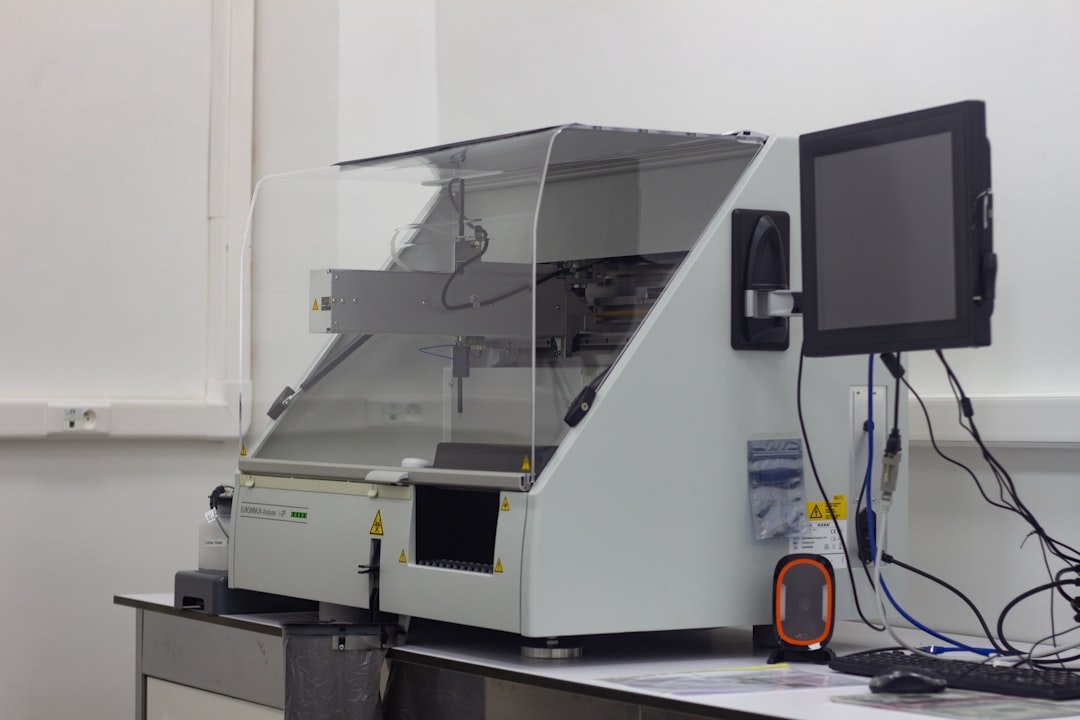
Spirometry measures airflow and lung volume — how much air a patient can forcefully exhale, and how fast. It’s the standard test for confirming airflow obstruction, a hallmark of asthma and COPD. But spirometry can look normal between asthma flare-ups, and it says nothing directly about inflammation.
What FeNO Measures
FeNO measures a biomarker of eosinophilic airway inflammation directly, regardless of whether the patient is currently obstructed. This makes it useful precisely when spirometry is inconclusive — a patient can have normal airflow on the day of testing but still show elevated FeNO, indicating ongoing inflammation that may need treatment.
When to Use Each
- Use spirometry to confirm airflow obstruction and track lung function over time.
- Use FeNO to assess inflammation, predict steroid responsiveness, and monitor whether current treatment is working.
- Use both for the clearest overall picture, especially in ambiguous or difficult-to-control cases.
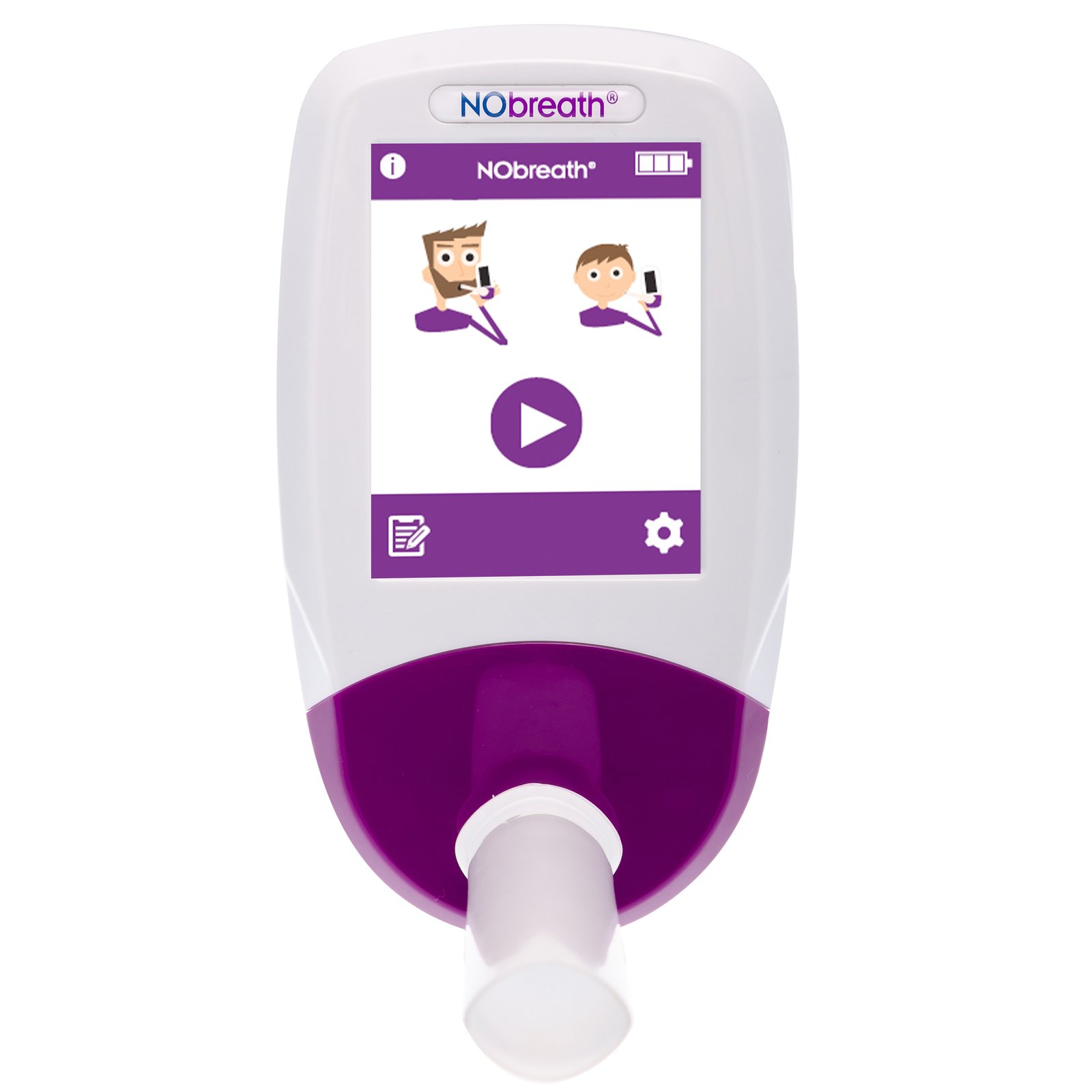
The NObreath monitor makes adding FeNO testing to an existing spirometry-based workflow straightforward — a 12-second breath test alongside the tests your clinic already runs. Get in touch to see how it fits your practice.